Even as we age, we continue to walk on our own feet, go out to places we love, enjoy travel, and lead an active daily life. One of the essential physical functions for that is the health of the knee joint.
The knee is an important joint that supports daily movements such as standing, walking, going up and down stairs, and sitting. While it plays a fundamental role in moving the body, it also bears weight and impact with every step and movement, making it a site prone to changes due to years of load, aging, and trauma.
Knee pain is not merely an unpleasant symptom that occurs in a part of the body. It can lead to fewer opportunities to go out, refraining from travel and sports, and even narrowing of one’s range of activities. From the perspective of longevity — enjoying life longer and more richly — maintaining joint health can be said to be an important theme.
In recent years, regenerative medicine using autologous adipose-derived cultured stem cells has attracted attention as a new option for such joint diseases. Research and clinical application have been advancing as an approach different from conventional conservative therapy and surgical therapy, but when considering treatment, it is essential not only to understand how cells work, but also to accurately grasp the patient’s own joint condition.
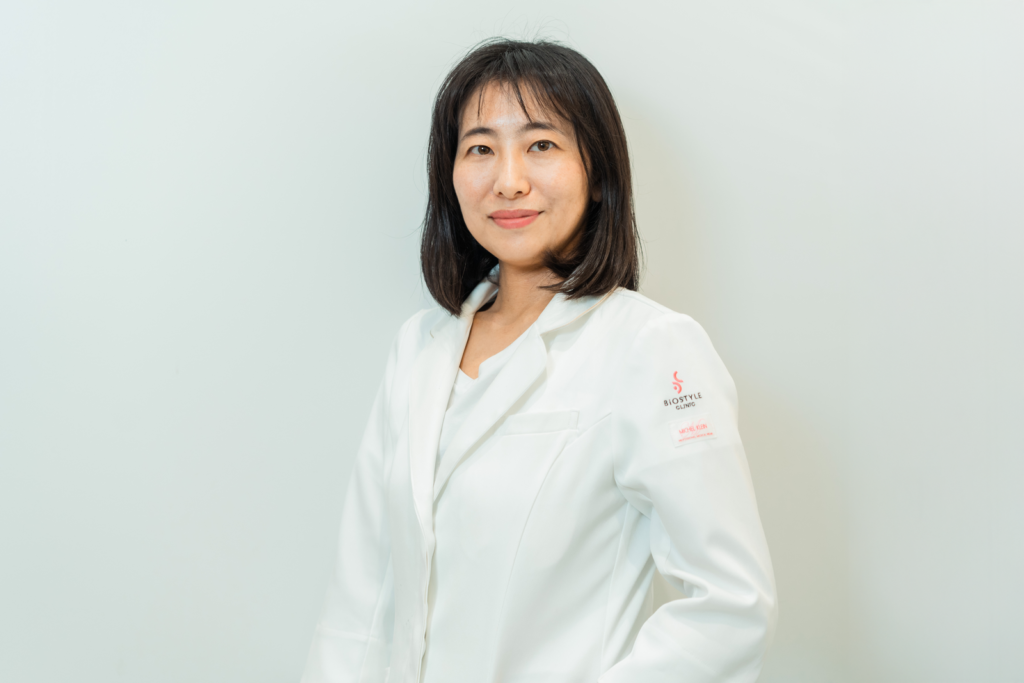
We spoke with Dr. Nao Shito, who has accumulated clinical experience as an orthopedic surgeon and currently serves as Director of BiOSTYLE CLINIC.
We asked her about what she values in knee joint care, the significance of MRI image evaluation, the potential of autologous adipose-derived cultured stem cell therapy, and medical collaboration looking ahead from diagnosis to post-treatment follow-up, from the perspective of an orthopedic surgeon.
DOCTOR PROFILE
Nao Shito
Director, BiOSTYLE CLINIC
Graduated from Gunma University School of Medicine. After completing initial clinical training at Nippon Medical School Hospital, she joined the Department of Orthopedic Surgery at Yokohama City University and accumulated clinical experience as an orthopedic surgeon.
Currently serving as Director of BiOSTYLE CLINIC, she is involved in regenerative medicine, orthopedic surgery, joint and musculoskeletal disorders, and stem cell therapy. She aims to provide personalized medicine that values quality of life (QOL) by addressing each individual’s physical condition and wishes.
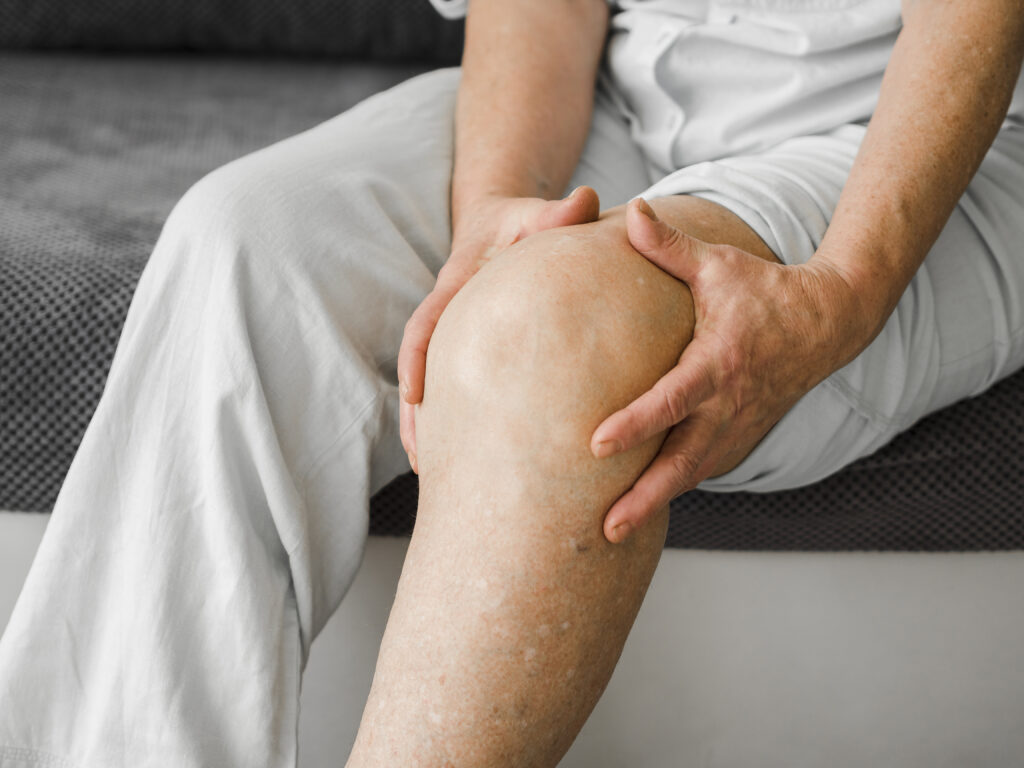
Not dismissing knee pain as simply a phenomenon of aging
— Many people complain of knee pain, but what do you value first in your practice?
What I value first is to carefully understand the symptoms that patients are experiencing.
Even when people say “my knee hurts” in the same way, the situations in which pain occurs, its severity, and its course differ from person to person. Some people have pain when they start walking, some have stronger pain when going down stairs, and some develop symptoms after walking for a long time.
Also, behind knee pain, various tissues may be involved, not just changes in articular cartilage, but also the meniscus, ligaments, bones, and surrounding muscles.
Therefore, rather than judging that it cannot be helped because it is due to aging based solely on age, it is important to confirm what causes can be considered and what degree of functional impairment currently exists.
— How should we understand knee osteoarthritis?
Knee osteoarthritis is a disease in which changes occur in the cartilage, bone, and surrounding tissues that make up the knee joint, leading to pain and difficulty in movement.
Articular cartilage plays a role in preventing bones from colliding directly with each other, but it changes due to a combination of various factors such as aging, long-term load, weight, past trauma, and how the joint is used.
However, just because changes are large on imaging does not necessarily mean that pain is severe. Conversely, there are cases where symptoms cannot be fully explained by imaging alone.
I believe it is important to comprehensively consider not only imaging findings, but also the patient’s complaints, physical findings, and difficulties in daily life.
Knee joint health is the foundation that supports an active life
Knee osteoarthritis cannot be explained solely by wear and tear of the articular cartilage of the knee joint. It is understood as a complex disease involving multiple tissues such as articular cartilage, meniscus, subchondral bone, synovium, ligaments, and muscles around the joint.
Articular cartilage covers the joint surface, reducing friction and dispersing load. However, cartilage has few blood vessels, and has the characteristic that natural repair is difficult when damaged.
Also, changes in the joint do not necessarily progress in only one direction. Various factors are involved, such as weight, muscle strength, walking habits, past injuries, and joint shape.
Therefore, when considering knee pain, it is necessary to have a perspective that evaluates the entire joint, not just checking the condition of the cartilage.
Also in the concept of longevity, extending healthy life expectancy does not simply mean living longer. Being able to move on one’s own feet, move one’s body, and maintain engagement with society and hobbies greatly affects quality of life. Protecting the health of the knee joint is one of the efforts to build that foundation.
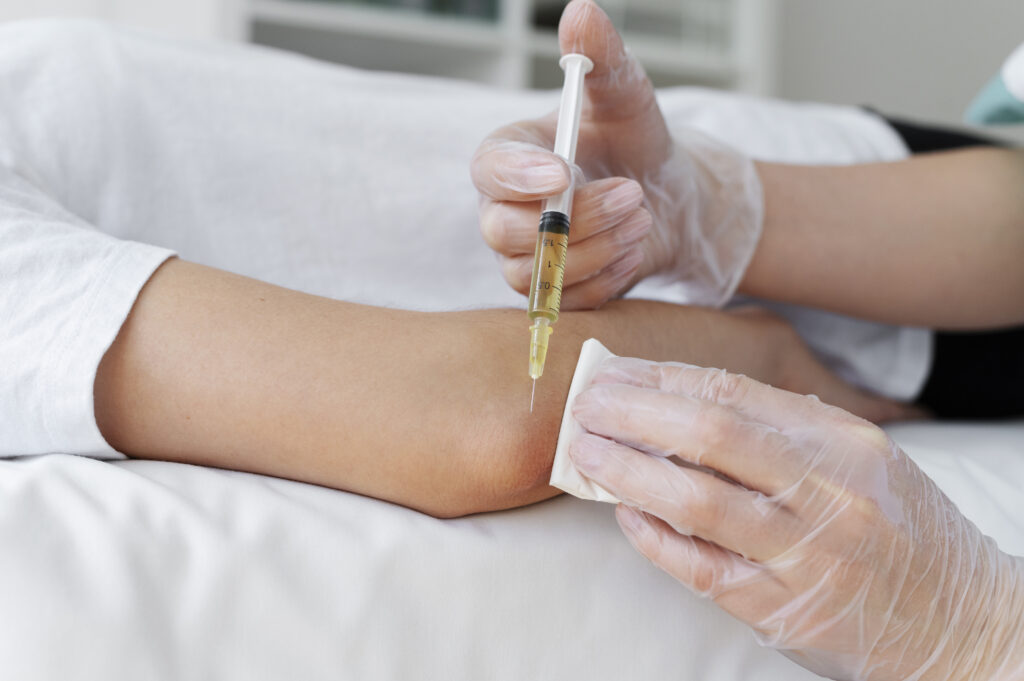
What it means for an orthopedic surgeon to engage in regenerative medicine
— In recent years, interest in regenerative medicine for the knee joint has been growing. Please tell us why you are working in this field.
Regenerative medicine is a field where research and clinical application are advancing as a different approach from conventional treatments. In particular, treatment using autologous adipose-derived cultured stem cells is attracting attention as a method in which the patient’s own cells are collected, cultured, and then administered.
On the other hand, I feel that there are cases where the term regenerative medicine alone takes precedence, and treatment is considered without fully understanding who it is suitable for and what can be expected.
As an orthopedic surgeon, I believe it is important to first accurately grasp the condition of the joint and organize what treatments can be considered for the current symptoms.
Regenerative medicine is not a suitable treatment for all patients. It is necessary to consider other treatment options including conservative therapy, rehabilitation, drug therapy, and to consider what is appropriate for that person.
— When considering regenerative medicine, what is more important than providing treatment?
I think it is to properly evaluate before starting treatment and to follow the course after treatment.
Patients each have different physical conditions and living environments. The functions required of the knee also differ depending on work, hobbies, exercise habits, frequency of travel, etc.
For example, the goals when considering treatment differ between those who want to make walking in daily life easier and those who want to continue sports.
Therefore, rather than simply introducing a treatment menu, it is important to compare the current joint condition with the patient’s wishes and have them understand the purpose of treatment, what can be expected, and its limitations and risks.
I want to create an environment where patients can make decisions with confidence, including whether or not to receive treatment.
Regenerative medicine considered from the patient’s condition, not based on treatment availability
As interest in regenerative medicine grows, attention tends to focus on the treatment method itself, but what is originally important is to determine whether that treatment is suitable for the patient’s condition.
There are various options for treating knee joints, including exercise therapy and rehabilitation, weight management, drug therapy, orthotic therapy, injection therapy, and surgical therapy. Each has its own purpose and indication, and is considered based on the severity of symptoms, the condition of the joint, the patient’s age, activity level, and wishes in life.
Regenerative medicine also needs to be considered as one of these treatment options.
Particularly important is on what criteria a facility providing treatment judges the indication for treatment. It is desirable that, for those who wish to receive treatment, the facility be able to explain, after evaluating the current condition, including the possibility that another treatment method may be more suitable, rather than necessarily recommending treatment.
Not aiming to receive treatment itself, but considering medical options based on what kind of life the patient wants to live in the future. This can be said to be the basic idea of personalized medicine.
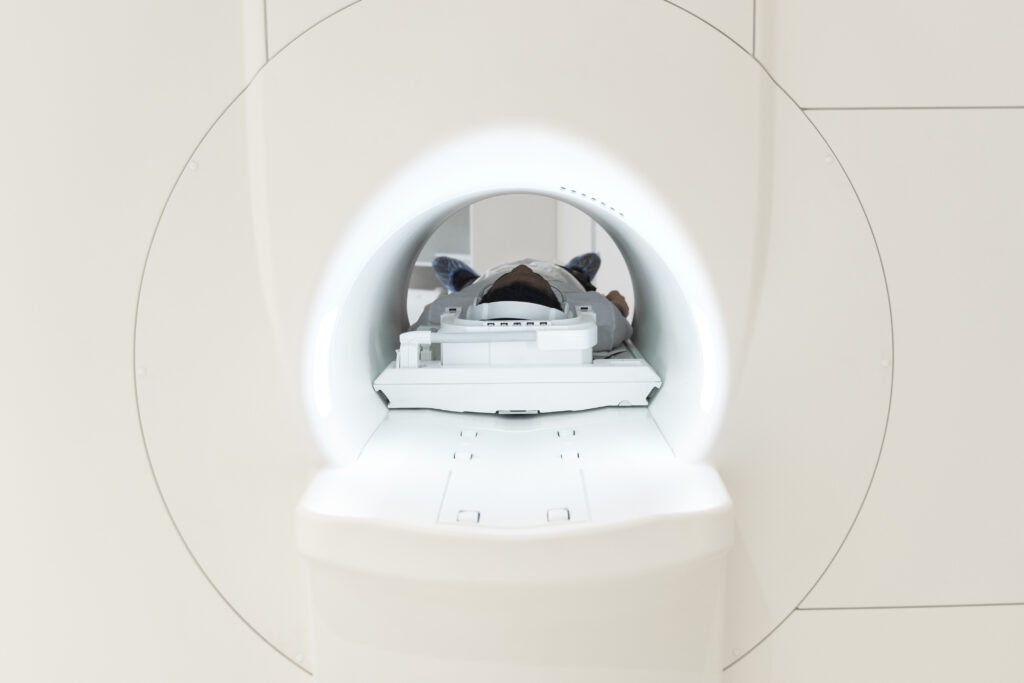
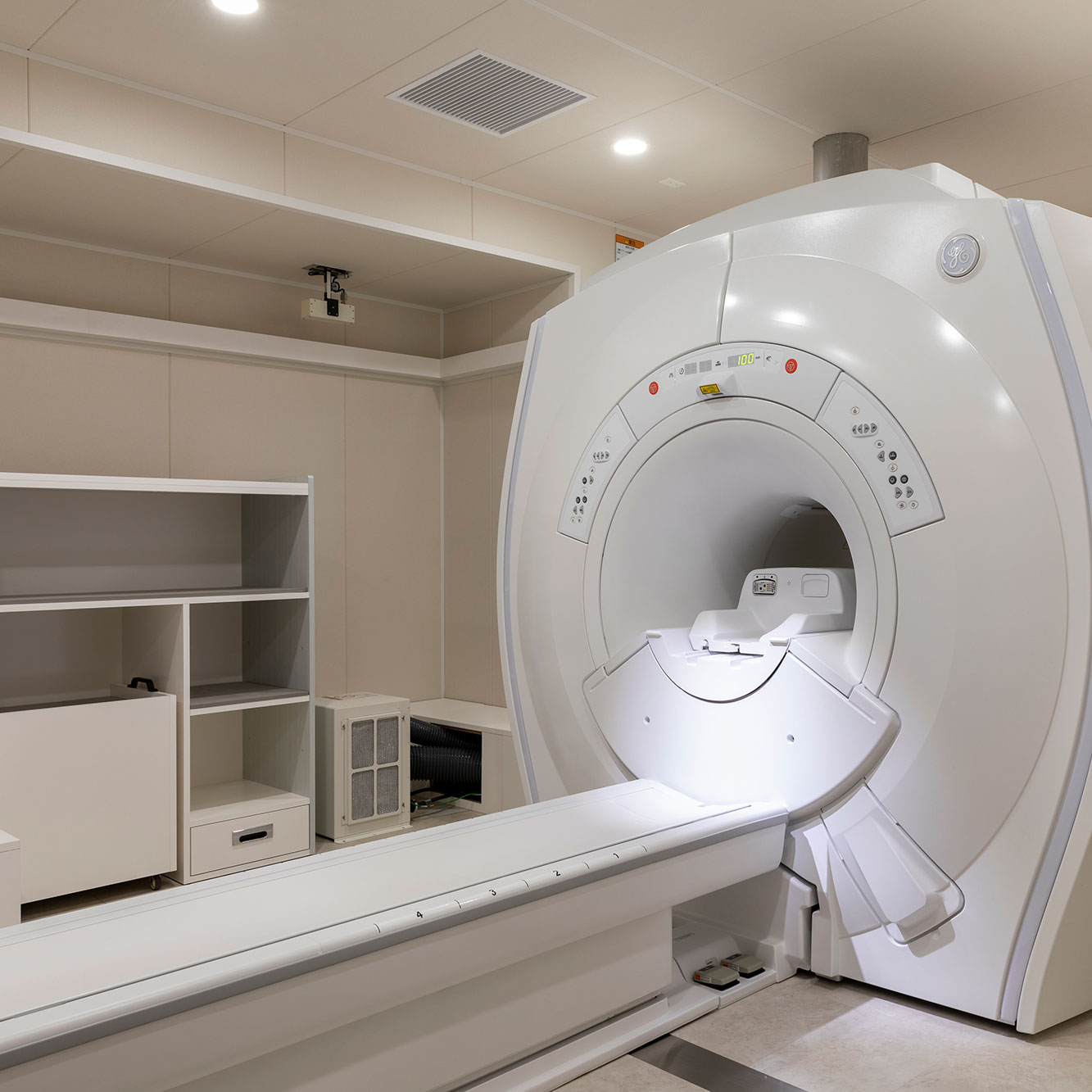
Evaluating the knee joint more multifacetedly with MRI
— What role does MRI play in understanding the condition of the knee joint?
Each imaging test has a different role. A general X-ray can check bone shape, joint space, and bone deformities.
On the other hand, MRI can provide information about cartilage, meniscus, ligaments, bone marrow, and surrounding soft tissues, which are difficult to evaluate with X-rays.
Knee pain is not necessarily caused by cartilage alone. Meniscus damage, changes inside the bone, and conditions of ligaments and surrounding tissues may also be related to symptoms.
Therefore, I believe that using MRI as needed to check the condition of the joint from multiple angles is useful in considering treatment policy.
— With an MRI image, can you decide on a treatment policy?
MRI is a very useful test, but not everything is decided by images alone.
For example, even if changes are seen on imaging, to what extent they are related to the current pain needs to be considered together with examination and physical findings.
What kind of movements cause pain for the patient, whether there are restrictions on joint movement, and what characteristics there are in walking and muscle strength. By combining such information with imaging findings, it can lead to more appropriate judgment.
Undergoing a test itself is not the purpose; it is important to link information obtained from the test to a meaningful treatment policy for the patient.
Information inside the joint revealed by MRI, different from X-ray
X-ray examination, which is widely used as an imaging test for the knee joint, plays an important role in confirming bone shape, narrowing of the joint space, and formation of osteophytes. It is also one of the basic tests in the evaluation of knee osteoarthritis.
On the other hand, MRI is a test that obtains cross-sectional images of the inside of the body using magnetism and radio waves, and is characterized by being able to obtain detailed information about not only bones but also soft tissues such as cartilage, meniscus, ligaments, muscles, tendons, and bone marrow.
For example, damage or degeneration of the meniscus, the condition of ligaments, signal changes in bone marrow, and accumulation of joint fluid may be useful as a reference for diagnosis as information that is difficult to grasp with X-ray examination alone.
However, findings that can be confirmed by MRI are not necessarily the cause of pain. Since there are cases where changes on imaging do not match actual symptoms, it is important to make a judgment in combination with examination, physical findings, and the patient’s living situation.
Especially when considering regenerative medicine, understanding the condition of the joint before treatment is also meaningful in considering subsequent evaluation. It is desirable to organize in advance how to confirm symptoms, function, and imaging findings before and after treatment.
MRI is not merely a test to obtain high-definition images, but one of the sources of information for understanding the patient’s condition more three-dimensionally and considering treatment policy.

Dr. Nao Shito — Bringing orthopedic clinical experience to regenerative medicine
— Here, please tell us about your journey so far.
After graduating from Gunma University School of Medicine, I completed my initial clinical training at Nippon Medical School Hospital. After that, I joined the Department of Orthopedic Surgery at Yokohama City University and have accumulated clinical experience as an orthopedic surgeon.
Currently, as Director of BiOSTYLE CLINIC, I am involved in regenerative medicine, orthopedic surgery, joint and musculoskeletal disorders, and stem cell therapy.
What I value in medical practice is to understand each patient’s condition and wishes and to provide medical care that considers that person’s quality of life, or QOL.
— How is your experience in orthopedics being utilized in current regenerative medicine?
In orthopedics, we do not just look at the painful area, but provide medical care while considering the structure and movement of joints and the balance of the whole body.
Regarding knee pain as well, various factors are involved, not just inside the joint, but also how you walk, muscle strength, and load in daily life.
I believe that such an orthopedic perspective is indispensable when considering regenerative medicine as well.
Rather than deciding on a treatment method first, it is important to first evaluate the current condition and clarify what to aim for through treatment. Then, it is important to consider whether regenerative medicine can be an option.
— Is there anything you are conscious of in communicating with patients?
Expectations and anxieties about treatment differ depending on the patient. Especially for regenerative medicine, there are still parts that cannot be said to be widely understood as a general treatment.
Therefore, I would like to convey not only how treatment works, but also what is expected, dividing what is known at present and what is not yet sufficiently clarified.
That patients can fully understand and choose treatment with confidence. I think that is the basis of medicine.
Personalized medicine based on orthopedic evaluation
What should be noted in Dr. Shito’s career is that she has not specialized only in regenerative medicine, but has accumulated clinical experience as an orthopedic surgeon in the Department of Orthopedic Surgery at Yokohama City University after initial clinical training following graduation from medical school.
In the treatment of knee joints, it is important to evaluate not only the condition inside the joint, but also body movement, muscle strength, walking, and lifestyle habits. Especially in chronic joint diseases, it is necessary to understand not just the degree of pain, but what kind of life the patient is leading and what physical functions they want to regain.
For example, treatment goals differ between those who feel anxious about daily walking and those who want to continue activities such as mountain climbing and golf.
Based on these differences, linking test results with the patient’s wishes while considering treatment policy is an important element of personalized medicine.
When considering regenerative medicine, a perspective that considers the entire medical care, including examination, evaluation, explanation, and follow-up before and after treatment, not just the treatment process of administering cells, is required.

Potential of autologous adipose-derived cultured stem cell therapy and what should be correctly understood
— Please tell us about the mechanism of knee joint treatment using autologous adipose-derived cultured stem cells.
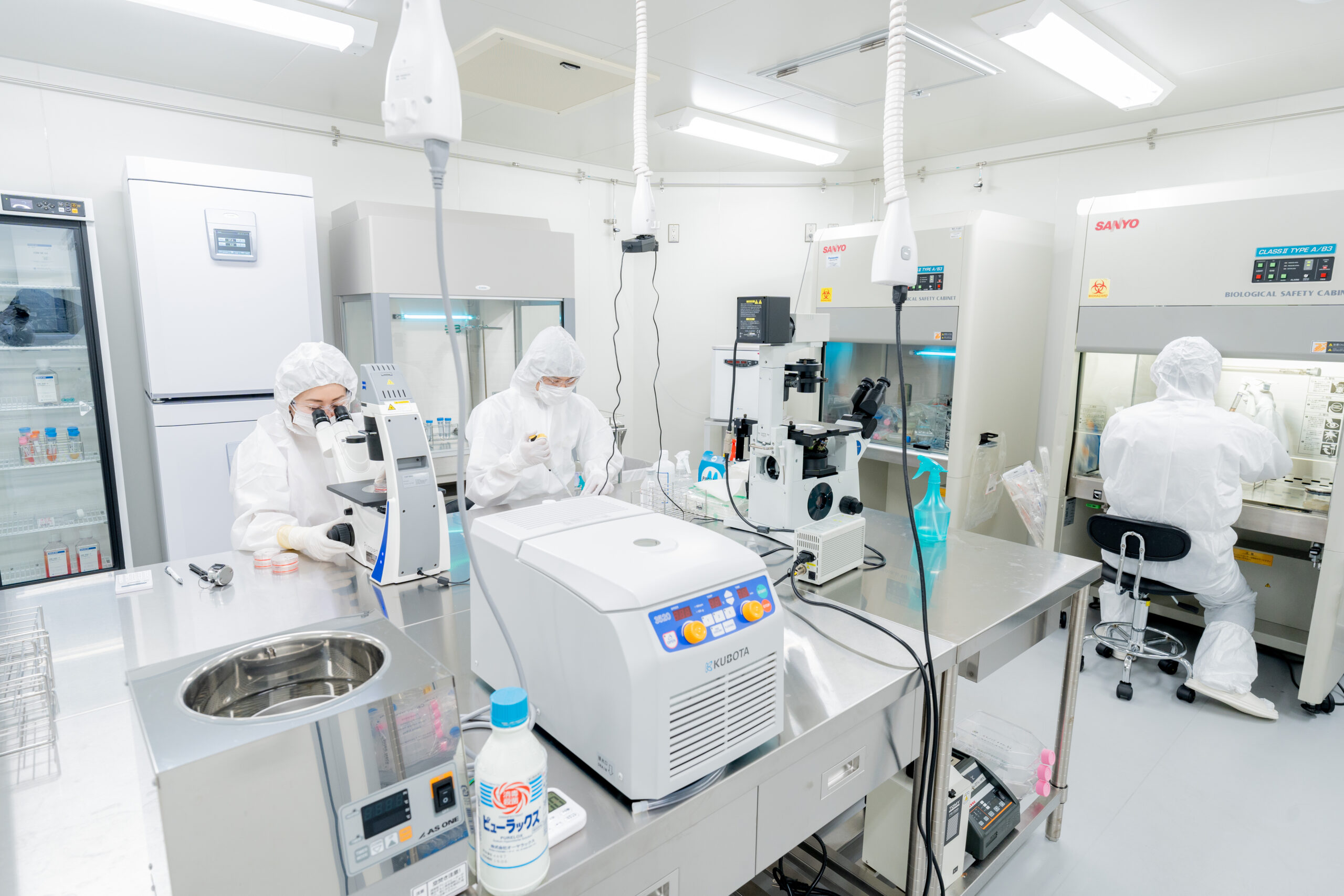
In this treatment, the patient’s own adipose tissue is collected, cells are separated and cultured from it, and cells that have gone through a certain process are administered into the joint.
Adipose tissue contains a group of cells called mesenchymal stem cells, and research is examining functions related to regulation of inflammatory responses and tissue repair.
Regenerative medicine using autologous adipose-derived cultured stem cells is expected to work on the environment inside the joint by utilizing the characteristics of such cells.
However, it is not the case that cartilage will necessarily regenerate or pain will disappear simply by administering cells. There are individual differences in treatment effects, and the condition and progression of the disease, as well as the patient’s own physical conditions, are also related.
It is important to consider based on current medical knowledge, understanding both the potential that can be expected and its limitations.
— What kind of people should consult when considering treatment?
I think it is important for those who have persistent knee pain or who have received conservative therapy etc. so far but want to know about other options for future treatment to first check the condition of their own joints.
However, regenerative medicine is not suitable for all those who have knee pain. Depending on the cause of symptoms and the condition of the joint, other treatments may be prioritized.
First, it is important to grasp the condition through examination and necessary tests and organize treatment options. Among them, it is important to judge from a medical perspective whether regenerative medicine is an appropriate option.
Why autologous adipose-derived cultured stem cells are being studied
Stem cells are being studied as cells that have the ability to differentiate into various cells and the property of acting on surrounding cells and tissues. Among them, mesenchymal stem cells derived from adipose tissue have been studied in the field of regenerative medicine because they are one of the collectable tissues.
Regarding mesenchymal stem cells, not only the function of the cells themselves being replaced by tissue, but also the possibility of affecting inflammatory reactions and surrounding cell environment through secretion of cytokines and growth factors is being studied.
In treatment for knee joints, it is expected that such cell properties will be utilized to work on the environment inside the joint.
The general flow of autologous adipose-derived cultured stem cell therapy consists of processes of adipose tissue collection, cell separation and culture, quality control, and administration. The actual collection method, culture process, and administration method differ depending on the provision plan and the system of the implementing facility.
What is important here is that stem cell therapy is not established as a treatment that reliably restores damaged cartilage to its original state. Various possibilities are being studied in research, but clinical efficacy and long-term results are evaluated differently depending on the target disease and treatment conditions.
Therefore, when considering treatment, it is necessary to comprehensively understand not only the expected effects, but also the current scientific evidence, limitations of treatment, possible risks, costs, and post-treatment management.
Also, treatment using stem cells and treatment using culture supernatant obtained in the process of culturing stem cells are different treatments. It is also important not to explain them as the same thing.
Not just providing treatment, the importance of diagnosis and medical collaboration
— When choosing a facility considering regenerative medicine, what points should patients pay attention to?
I would like patients to check not only the treatment method and cost, but also what kind of examination and tests are performed before treatment, and how the indication for treatment is judged.
Also, whether there is an explanation not only about the benefits of treatment, but also about limitations, risks, and follow-up after treatment is an important point.
Regenerative medicine does not end with just administering cells. I believe that a medical system that looks ahead to evaluation before treatment, determination of treatment policy, and confirmation of condition after treatment is important.
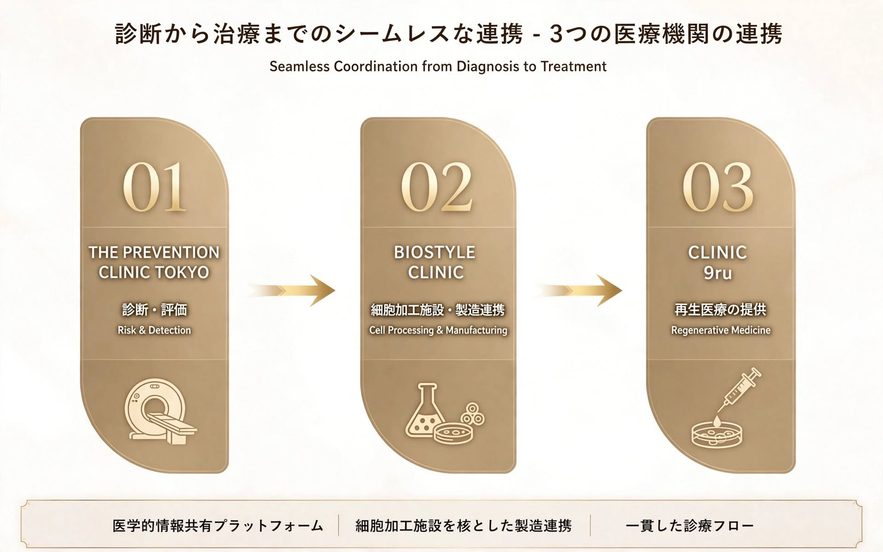
— In this medical collaboration, THE PREVENTION CLINIC TOKYO, BiOSTYLE CLINIC, and CLINIC 9ru are involved. How do you think about the respective roles?
In medicine, it is important to make use of the functions and expertise of each facility, share necessary information, and lead to appropriate medical care for patients.
THE PREVENTION CLINIC TOKYO is engaged in preventive medicine initiatives including imaging tests such as MRI and CT. I believe that when it is necessary to check the condition of the knee joint in detail, utilizing an appropriate testing environment will be a reference for medical treatment.
BiOSTYLE CLINIC is engaged in medical treatment related to regenerative medicine and joint and musculoskeletal disorders. And CLINIC 9ru plays a role related to treatment under a system based on a provision plan for regenerative medicine.
I think it is important to create an environment where information on examination, medical treatment, and treatment can be connected through collaboration of each facility, and medical care according to the patient’s condition can be considered.
— Is there anything you would like patients to know about the Type 2 regenerative medicine provision plan of CLINIC 9ru?
When providing regenerative medicine, procedures and systems based on laws are required. The provision plan is important information for confirming under what kind of plan and management system that treatment is provided.
However, submission or acceptance of a provision plan does not mean that the government has individually approved the effectiveness or safety of the treatment.
I would like patients to receive sufficient explanation not only about the content of the provision plan, but also about the method of treatment, risks, expected effects, costs, etc.
Collaboration system connecting the expertise of medical institutions, from diagnosis to treatment
To appropriately consider regenerative medicine, multiple elements are involved, not just the function to implement treatment, but also examination, imaging tests, judgment of treatment indication, and evaluation after treatment.
What is important in this initiative is the idea that THE PREVENTION CLINIC TOKYO, BiOSTYLE CLINIC, and CLINIC 9ru will collaborate medically while leveraging their respective functions.
THE PREVENTION CLINIC TOKYO is a facility that develops preventive medicine including imaging tests such as MRI and CT. When utilizing imaging tests to grasp the condition of the knee joint, it is important to clarify the implementation system of tests, the doctor in charge of evaluating images, and the method of sharing information to the medical treatment side.
BiOSTYLE CLINIC is involved in consideration of treatment based on the patient’s condition and wishes as a facility in charge of medical treatment related to regenerative medicine and joint and musculoskeletal disorders.
CLINIC 9ru is a facility related to the provision plan based on the Act on Securing Safety of Regenerative Medicine. When providing regenerative medicine, responses in accordance with laws and regulations are required, such as provision plans according to treatment content, implementation systems, cell processing and management, explanation and consent, records and safety management.
What is important here is to clarify the role of each facility and to convey to patients in an easy-to-understand manner who will examine, who will evaluate images, who will judge treatment indication, and at which facility treatment will be implemented.
Also, submission and acceptance of a Type 2 regenerative medicine provision plan does not mean that the government has approved the effectiveness of individual treatments. When patients consider treatment, it is necessary to understand not only the content of the provision plan, but also the basis for treatment, risks, and implementation system.
The value of medical collaboration is not determined solely by the number of facilities or the degree of equipment. The point is to have a system in which each specialty is appropriately connected, information on patients is shared, and treatment can be advanced based on medical judgment.

Medical care that values understanding and consent, even for patients visiting from overseas
— What points are important regarding patients who wish to receive knee joint regenerative medicine from overseas?
In the case of patients coming from overseas, more careful information sharing is required because language, medical systems, and the content of treatments received so far differ.
First, it is important to check medical history, treatment history, current symptoms, imaging test information, etc., and grasp the current condition.
It is also important to explain the content of treatment, what can be expected, risks, and course after treatment in a language that patients can understand.
The basis of medicine is that patients can choose with sufficient understanding and consent. That way of thinking does not change even for patients from overseas.
— What role do you expect from a medical support system like 5Star Medical Club?
For overseas patients, when receiving medical care in Japan, there are various challenges such as reservation of medical institutions, preparation of necessary documents, and communication in terms of language.
In order to create an environment where medical professionals can concentrate on medical treatment, I think that an entity that is responsible for liaison and coordination with medical institutions, information sharing in multiple languages, and support during their stay is important.
Of course, diagnosis and determination of treatment policy are based on medical judgment by doctors. On top of that, I think that having a support system that connects medical institutions and patients leads to an environment where overseas people can consider medical care with peace of mind.
Information sharing and continuity required for medicine that crosses borders
For patients who receive Japanese medical care from overseas, not only medical technology and equipment, but also a support system that looks ahead from before the visit to after returning home is an important judgment factor.
Especially in medicine such as regenerative medicine, which involves pre-evaluation, treatment process, and follow-up after treatment, it is necessary to consider not only the period when patients stay in Japan, but also life after returning home.
Before traveling, it is important to organize medical history, medication status, past test results, treatments received so far, etc., and share information necessary for doctors to make medical judgments.
It is also indispensable to explain treatment content, costs, possible risks, and precautions after treatment in a language that patients can understand. Consent for treatment must be given after the patient themselves fully understands the content.
5Star Medical Club at The Peninsula Tokyo 4F is not a medical institution itself, but plays a role of coordination and support connecting affiliated medical institutions and patients. Through appointment coordination of medical institutions, multilingual communication support, information organization by medical caseworkers and support regarding consultation, etc., we aim to create an environment where those visiting from overseas can easily consider Japanese medical care.
Diagnosis and determination of treatment policy and medical acts are carried out under the judgment and responsibility of doctors at each medical institution. After clarifying that role, it is an important element in international medical services that medical care and support functions collaborate.

To protect knee health and enjoy your own life for a long time
— Finally, please give a message to those who are suffering from knee joint pain or considering regenerative medicine.
When you have knee pain, you may refrain from doing things that you were able to do as a matter of course, such as going out, traveling, and exercising.
However, the cause of pain and the condition of the joint differ from person to person. It is important not to judge based on age alone or continue to endure pain, but to first know the current condition correctly.
Regenerative medicine is one of the fields that expands the possibilities of future medicine, but it is not a treatment suitable for all people. What is important is not based on treatment, but to consider appropriate options according to the patient’s physical condition and life goals.
Knee health is related not only to the quality of daily life, but also to the range of future activities. If you have symptoms of concern, I would like you to receive a professional evaluation early on in order to enjoy your own life for a long time.
From the editorial department | Regenerative medicine as an option for considering future life
As the term longevity becomes widely known, interest in medical care that supports healthy life expectancy is increasing. It is of course important to regularly check physical condition and work on early detection and prevention of diseases, but it is also an important theme to maintain physical functions that allow you to continue your own activities even as you get older.
The knee joint is one of the important elements that supports that activity. When you feel pain, it is required not only to think about suppressing symptoms, but also to understand the cause, grasp the current joint condition, and consider a treatment policy looking ahead to future life.
Regenerative medicine using autologous adipose-derived cultured stem cells is a field being studied as a new possibility for joint diseases. On the other hand, it cannot be expected to be effective for all patients, and it is necessary to consider it after understanding the medical evidence and limitations of treatment.
That is why, rather than focusing only on treatment methods, a medical system that includes orthopedic examination, imaging tests as needed, judgment of treatment indication, and evaluation after treatment is important.
As Dr. Shito says, what is indispensable when considering the value of regenerative medicine is to understand the condition of each patient and to carefully consider what is appropriate for that person.
Protecting physical function and enjoying your own life for a long time. Thinking about options for that based on scientific knowledge and appropriate judgment by doctors is what is required for future longevity medicine.
Reprinted from: WEB Magazine AGELESS
https://ageless-medical.com/preventive-medicine/2030/