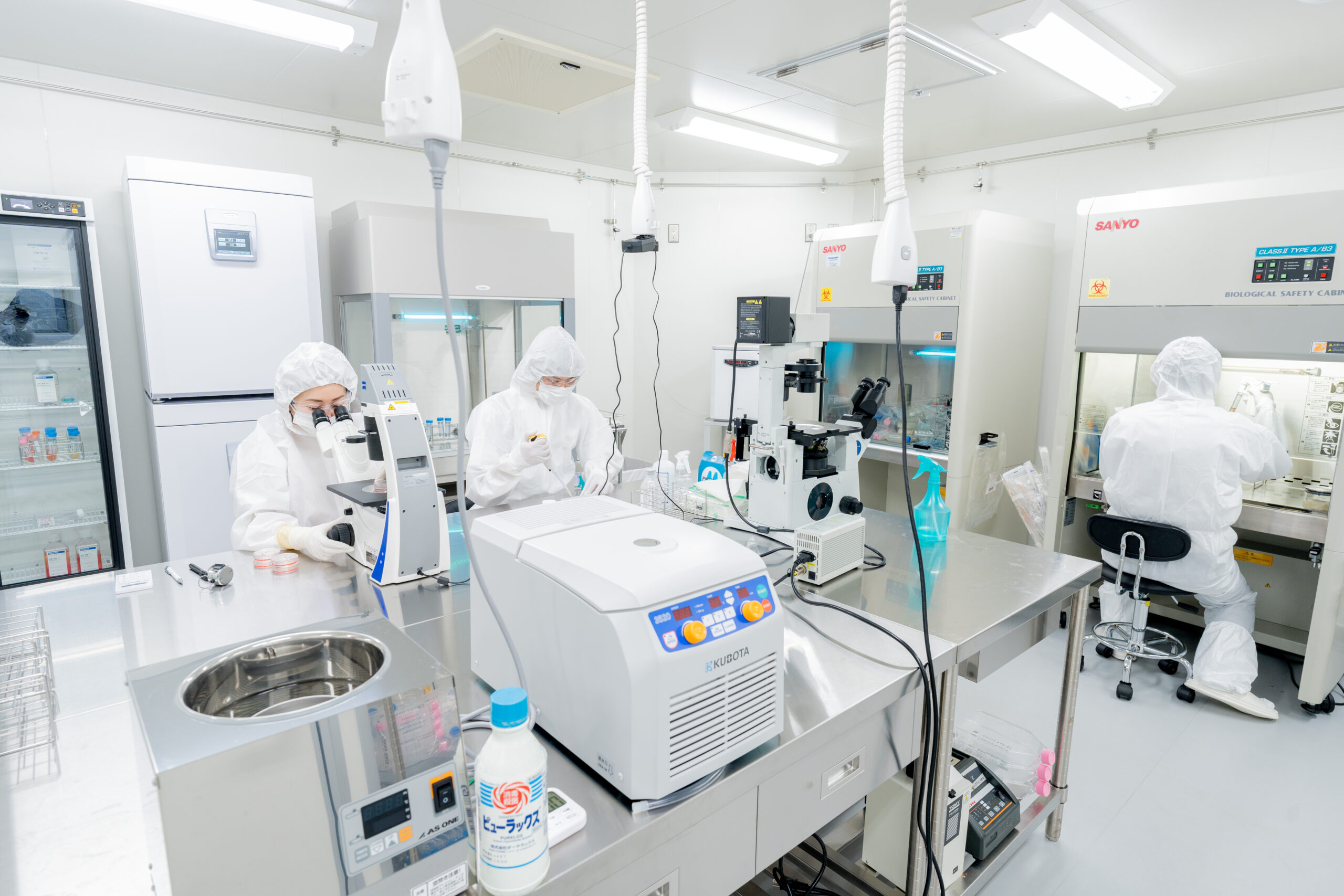


About Stem Cells and Stem Cell Culture Supernatant
While the term “stem cells” is generally well-known, “stem cell culture supernatant” may still be unfamiliar. This supernatant is the liquid remaining after stem cells are removed from the culture medium. To understand its effects, it is important to first understand the function of stem cells. Below is an explanation of their respective powers.
What are Stem Cells?
Stem Cells: Possessing the Special Ability to Generate Diverse Types of Cells
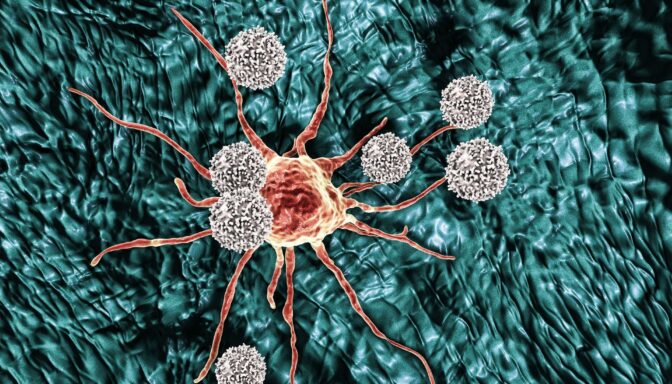
Stem cells are the foundational cells of an organism. Just as a tree trunk branches out into various leaves and twigs, stem cells are special cells capable of generating functional cells like blood cells, muscle cells, and nerve cells necessary to form organs and tissues. Skin wounds heal because stem cells in the skin produce new skin cells, and the liver regenerates because its stem cells generate new hepatocytes. In essence, stem cells hold the key to the human body’s natural healing power.
Unique Properties: Self-Renewal and Multipotency
Unlike functional cells, stem cells possess “self-renewal” ability, meaning they can divide repeatedly to create identical copies of themselves. At the same time, they possess “multipotency,” the ability to differentiate into a wide variety of cells with different functions. Having both self-renewal and multipotency is why stem cells have the unique power to generate various types of cells.
Maintaining Health Through Constant Transformation and New Cell Generation
Our bodies may look the same on the outside, but they are actually in a state of constant change. The functional cells that maintain life have a set lifespan; metabolism occurs as new cells are continuously born and replaced. For example, red blood cells reach the end of their life in 120 days, liver cells in 200 days, and skin epidermal cells regenerate every 2 to 7 days. Cells that reach the end of their lifespan are called “functional cells,” and the role of creating new cells to replace them falls to “stem cells.”
Aging is the Decrease of Stem Cells
The aging of the human body is linked to a decrease in the number of stem cells. Our bodies are composed of approximately 37 trillion cells of about 200 different types. All tissues and organs that sustain life are formed by clusters of functional cells. Each of these functional cells has a lifespan; when they die, stem cells generate new ones in a continuous cycle that maintains health. For instance, mesenchymal stem cells in bone marrow and fat are said to decrease from a ratio of 1 at birth to 1/10 in one’s teens, and 1/200 by age 80. As stem cells decrease with age, it becomes harder to repair wounds or heal fractures. However, even at age 80, about 1/200 of stem cells remain, providing the potential for regeneration. Regenerative medicine aims to utilize this innate regenerative capacity.
What is Stem Cell Culture Supernatant?
The Critical Role of the Supernatant from Cell Culture
“Stem cell culture supernatant” refers to the liquid (supernatant) obtained during the process of culturing stem cells. Traditionally, stem cell research and therapy focused on “stem cell transplantation,” where cultured stem cells were grown and then transplanted. However, research by Professor Emeritus Minoru Ueda’s group at Nagoya University Graduate School of Medicine revealed that this supernatant is rich in cytokines (growth factors), which play a vital role in cell regeneration. This has led to a re-evaluation of the efficacy and safety of stem cell culture supernatant.

Key Effects of Stem Cell Culture Supernatant
Stem cell culture supernatant, which contains various bioactive substances, is said to have four primary biological effects. These cytokines prepare the environment for tissue and organ regeneration, fostering expectations for recovery.
01. Anti-inflammatory Effect
Bioactive substances in the supernatant suppress inflammation and soothe tissue irritation, creating a better environment for regeneration.
02. Promotion of Cell Proliferation and Differentiation
Cytokines stimulate cell growth and differentiation, supporting the repair and regeneration of damaged tissues.
03. Angiogenesis Promotion (New Blood Vessel Formation)
Components in the supernatant promote the formation of new blood vessels, ensuring tissues receive enough oxygen and nutrients for regeneration.
04. Antioxidant and Anti-stress Effects
The supernatant contains antioxidants that protect cells from oxidative stress, thereby maintaining tissue health and promoting regeneration.
Differences Between Stem Cell Therapy and Supernatant Therapy
High Safety Profile of Stem Cell Culture Supernatant Therapy
Below is a comparison of the processes for traditional stem cell therapy versus new stem cell culture supernatant therapy. While both aim for similar results, the treatment methods differ significantly. Supernatant therapy is superior in several respects compared to stem cell therapy, potentially expanding access to treatment for more patients. Furthermore, because it is “cell-free,” the risk of complications like tumorigenesis is extremely low.
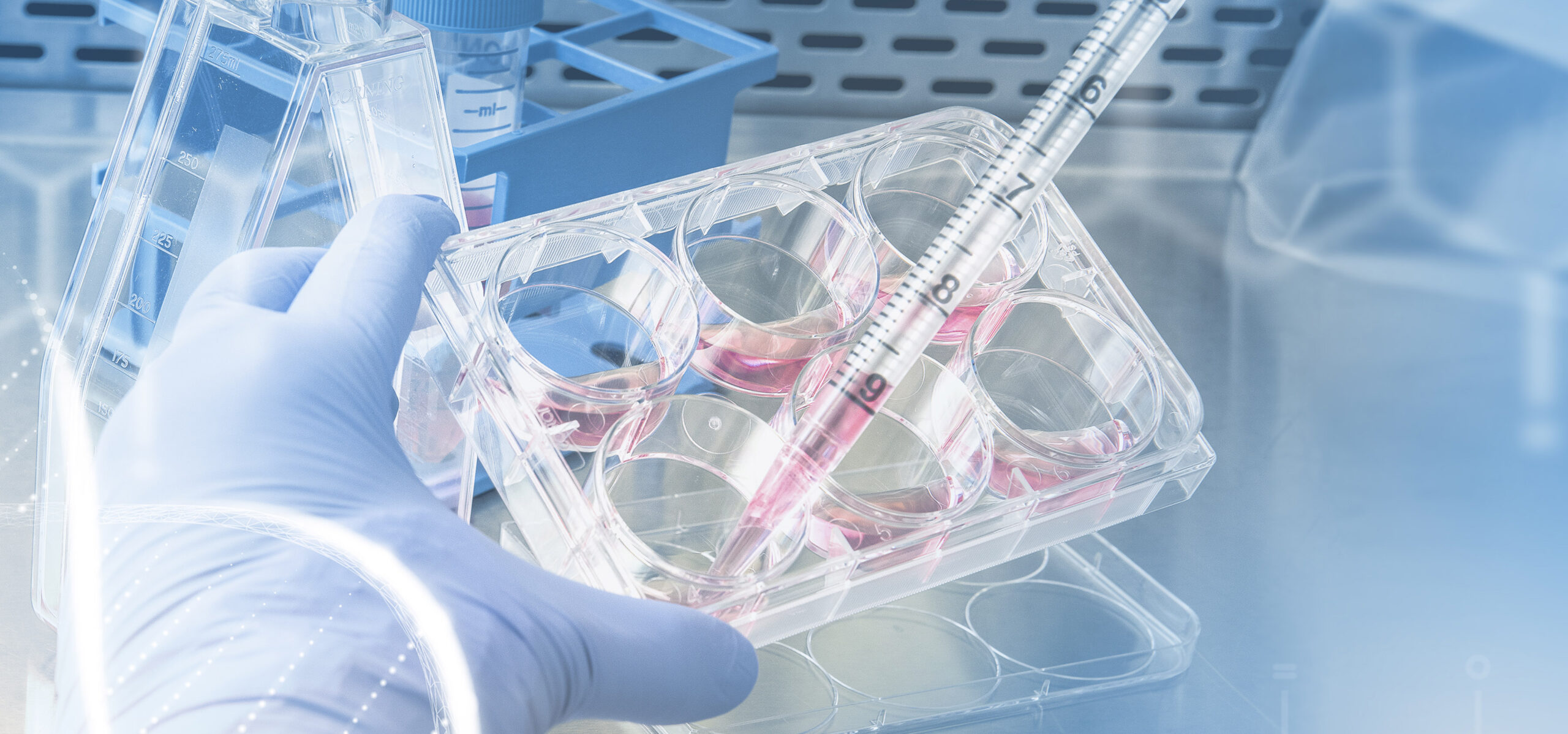
About 5Star Medical Club’s Stem Cell Culture Supernatant
At 5Star Medical Club, we specialize in treatments using Amnion and Umbilical Cord Blood. We will explain why we focus on these sources rather than just common adipose (fat) tissue.
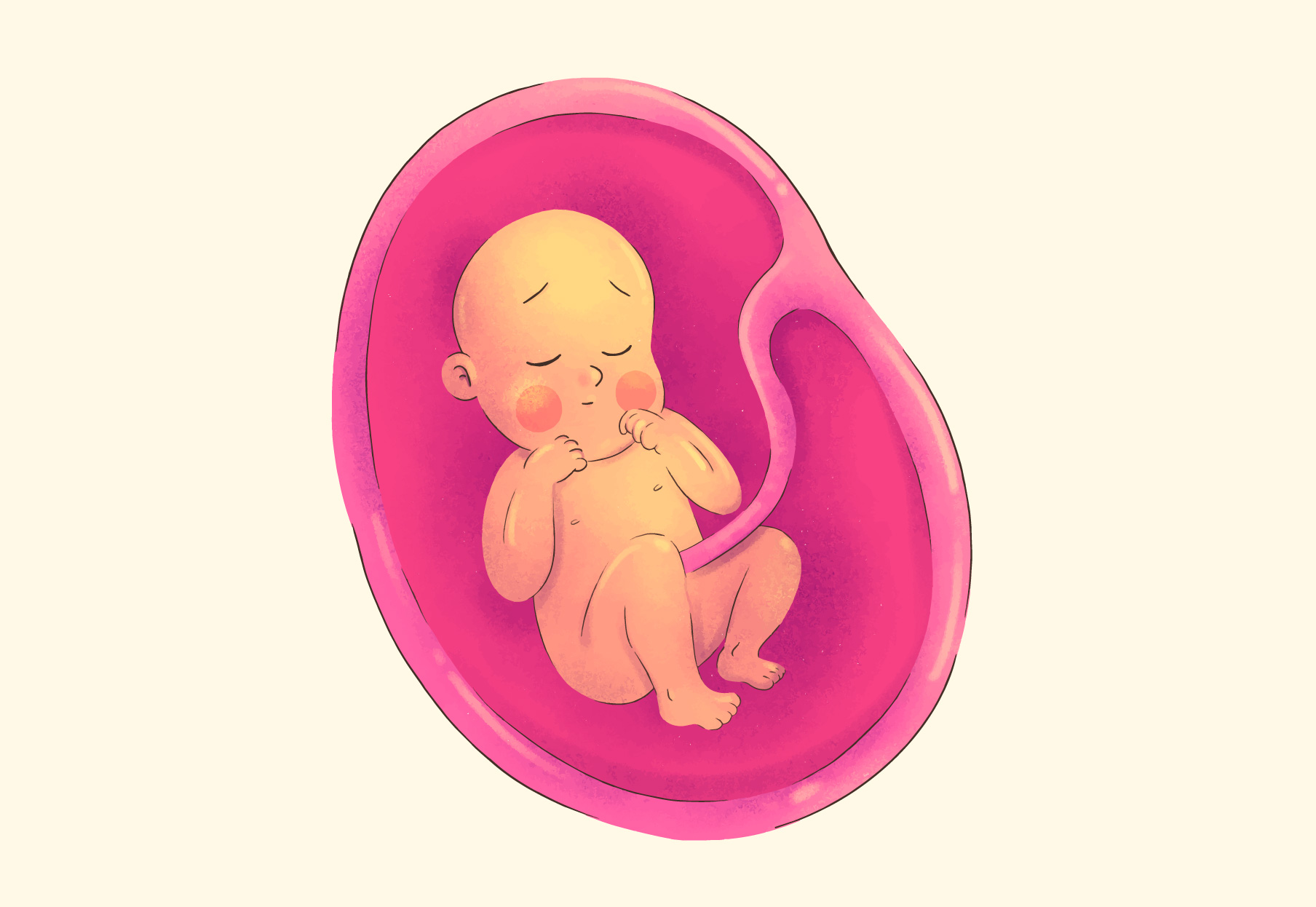
Why We Focus on Amnion and Umbilical Cord Blood Supernatant
Diverse Range of Cytokines
Expected Efficacy for Various Conditions
Stem cells are used to refine stem cell culture supernatant. There are four well-known types of stem cells used:
- “Dental Pulp Stem Cells” collected from children’s baby teeth.
- “Bone Marrow-Derived Stem Cells” collected from bone marrow.
- “Adipose-Derived Stem Cells” collected from abdominal fat.
- “Amnion and Umbilical Cord Blood-Derived Stem Cells” collected from a baby’s amnion or umbilical cord blood.
At 5Star Medical Club, we focus on supernatant manufactured from “Amnion and Umbilical Cord Blood-Derived Stem Cells” in addition to standard “Adipose-Derived” options. First, the amnion and umbilical cord blood are rich in stem cells, and their collection is relatively easy with minimal pain or burden on the donor. This allows patients to receive treatment with peace of mind. The amnion serves as a protective membrane for the fetus and is abundant in growth factors and extracellular matrix. These components are believed to promote regeneration and repair. Umbilical cord blood also provides a diverse range of stem cells. We believe that amnion and umbilical cord blood each have unique properties that play complementary roles in therapy, allowing us to provide the most optimal treatment for our patients.