“Full-body Rejuvenation” Aging Care from the Cellular Level
Stem Cell Culture Supernatant Therapy utilizes the nutrient-rich fluid derived from stem cell cultivation, packed with regenerative factors to rejuvenate and repair the body at a cellular level. This supernatant is rich in proteins such as cytokines and growth factors that support tissue regeneration and the recovery of cellular function, playing an important role in cellular rejuvenation.
Administration time
15 minutes
Infusion time
1 hour
Local injection
30 to 45 minutes
Interval
30 to 60 days
The treatment interval may vary under the guidance of the attending physician.
Treatment Flow
STEP1. Consultation
There may be a need for imaging diagnostics, so please bring any previous medical records or images such as CT or MRI scans.
STEP2. Administration (Treatment)
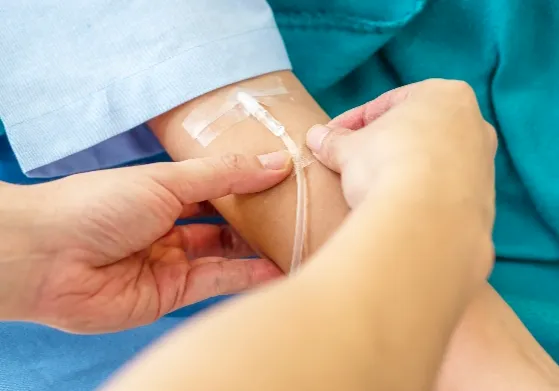
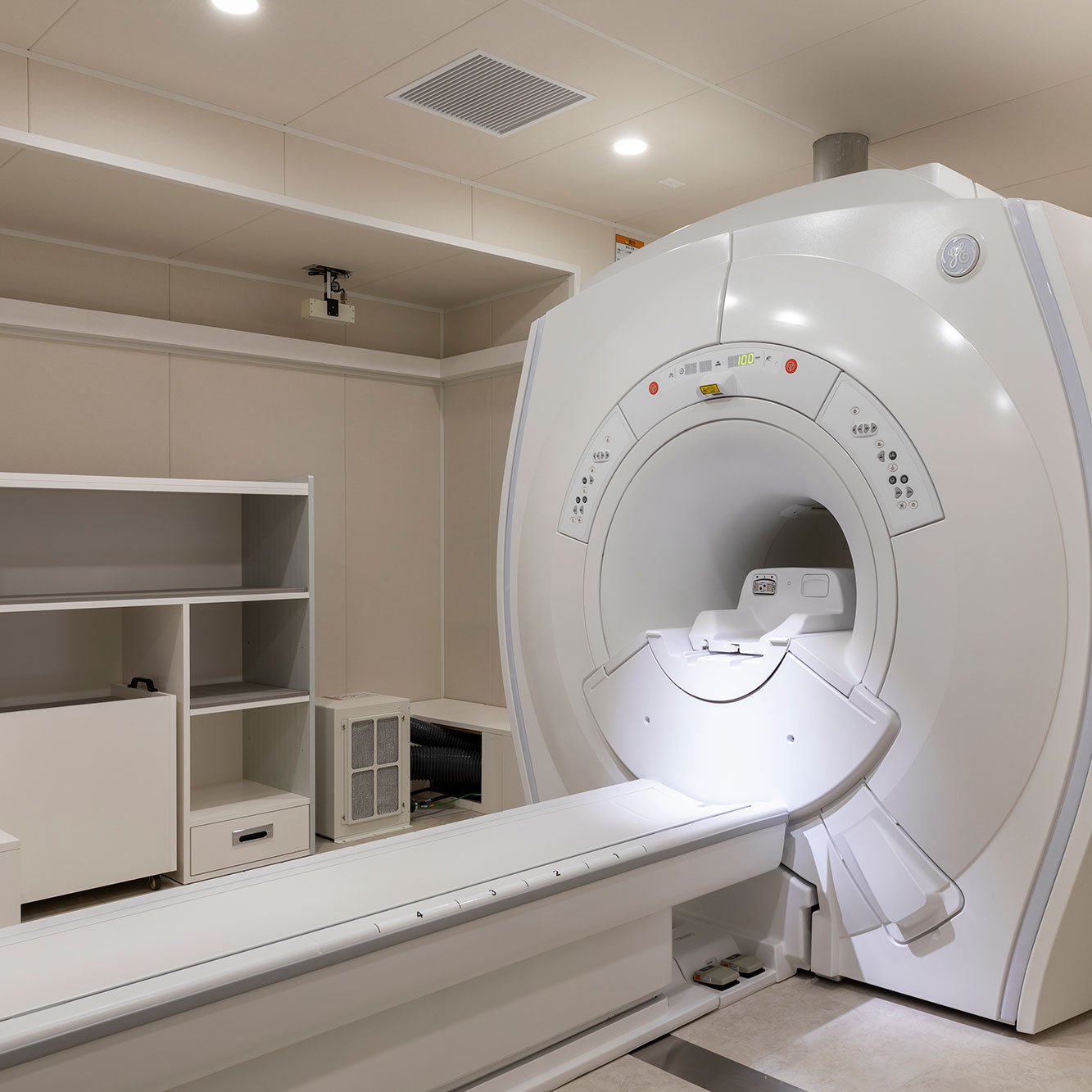
Administration methods Intravenous injection – Infusion Subcutaneous injection – Abdomen or buttocks Local injection – Scalp, face, neck Joints – MRI imaging may be conducted depending on the case (30 minutes)
About Subcutaneous Injection
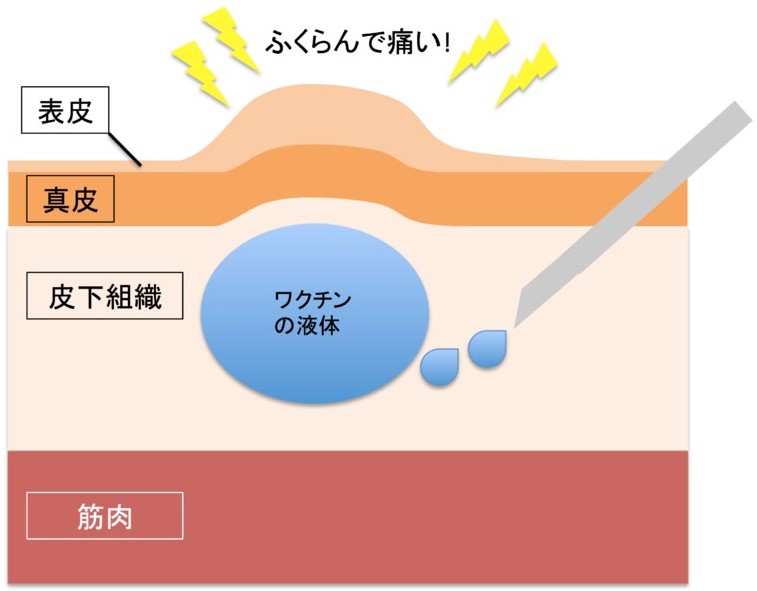
What is subcutaneous injection ?
Subcutaneous injection is a method of administering a shot under the skin, in the subcutaneous tissue, similar to a vaccination. Compared to intramuscular injections, it causes less pain. Since the subcutaneous tissue has fewer blood vessels, absorption is slower, and the blood concentration remains stable and gradually effective for a longer period. As a result, the medication stays at the site temporarily, which may cause a temporary swelling.
What is Stem Cell Culture Supernatant?
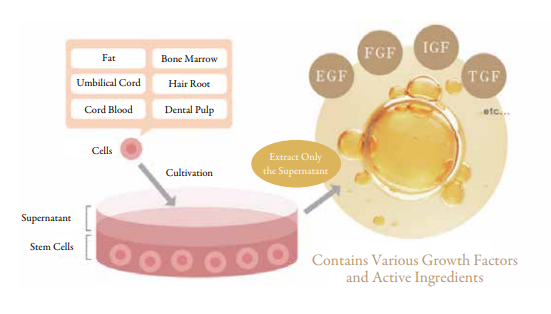
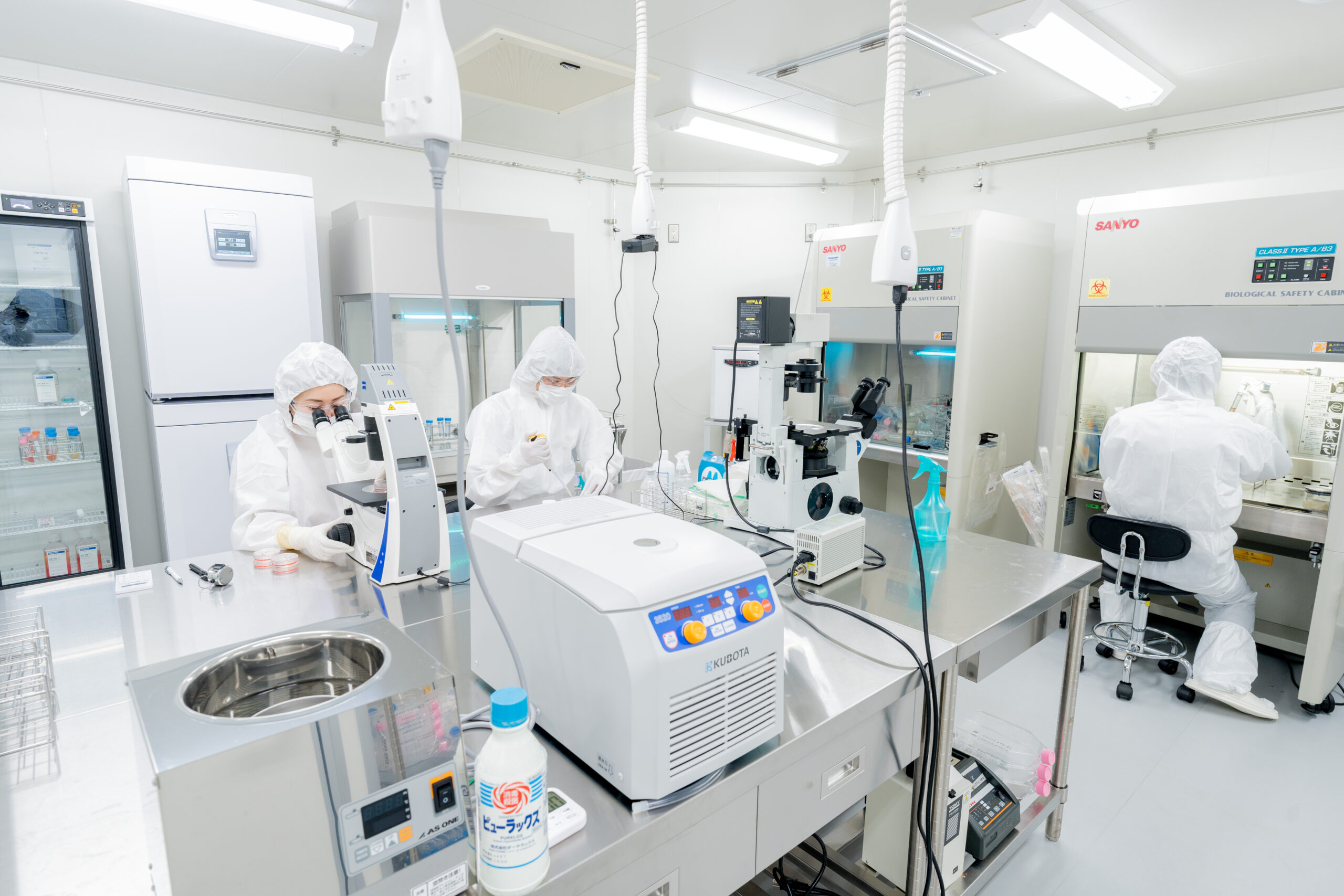
Stem cell culture supernatant is the clarified liquid (supernatant) obtained after culturing human stem cells in a liquid medium. This supernatant is rich in various cytokines secreted by the stem cells. Cytokines are proteins secreted by cells that regulate cell growth and differentiation, playing a crucial role in restoring the function of damaged tissues and cells in the body. Since culture supernatant rich in cytokines supports the recovery of cells weakened by aging and other factors, it is expected to provide a wide range of health and beauty benefits.
01
Potential of Stem Cell Culture Supernatant
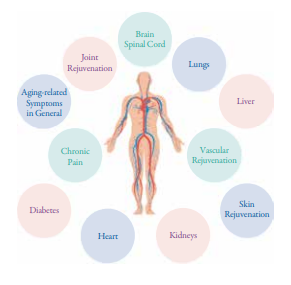
Stem cell culture supernatant is the liquid secreted during the cultivation of stem cells and is rich in bioactive substances such as growth factors and cytokines. This promotes cellular regeneration and repair, with expected benefits in chronic pain, atopic dermatitis, autoimmune diseases, and more. It has gained attention in regenerative medicine, cosmetic treatments, and anti-inflammatory therapies. Its practical applications are expanding, particularly in the following areas:
Types of Stem Cell Culture Supernatant
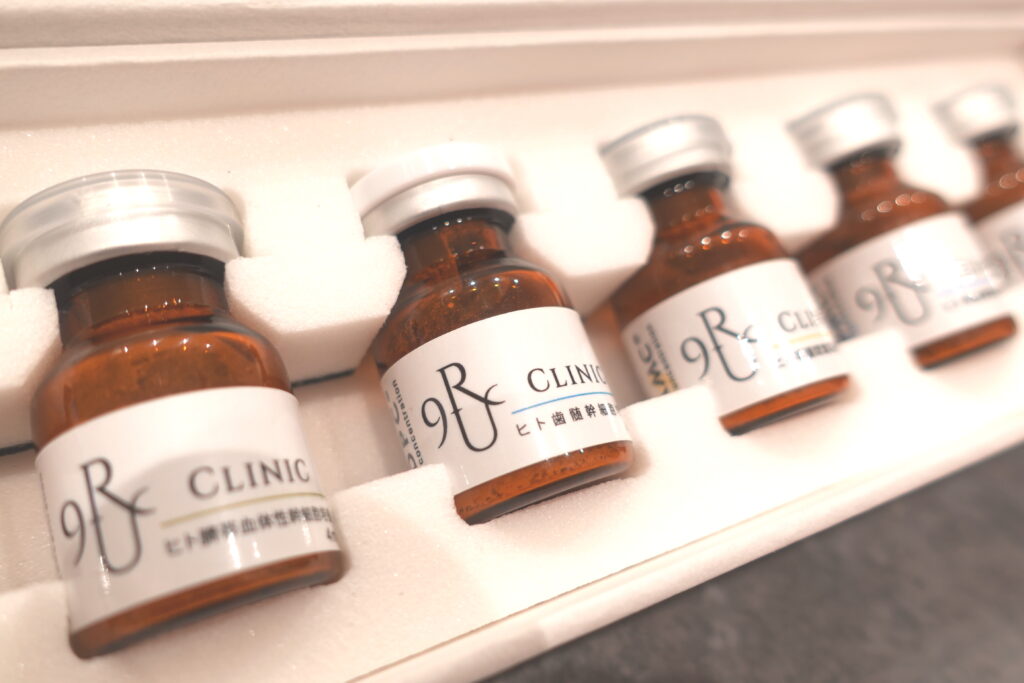
At our clinic, we offer treatments using six types of stem cell culture supernatant. We are able to recommend the most appropriate option based on each patient’s concerns and objectives.
1. Amniotic Membrane
Characteristics: A thin membrane that forms part of the placenta, surrounding the fetus and retaining amniotic fluid.
Components: Composed of protein layers such as collagen, laminin, and nidogen.
2. Placenta
Characteristics: An organ that connects the mother and fetus and plays an essential role in sustaining life.
Function: Supplies nutrients and oxygen to the fetus and transfers waste products from the fetus to the mother.
3. Bone Marrow
Characteristics: Rich in growth factors and widely applied in tissue regeneration and disease treatment.
Effects: Promotes cell proliferation and repair, suppresses inflammation, and regulates immune responses.
4. Cord Blood
Characteristics: Blood remaining in the placenta and umbilical cord after childbirth.
Components: Contains a high concentration of stem cells that support the development of organs, muscles, bones, nerves, and blood components.
5. Dental Pulp
Characteristics: The tissue located at the center of the tooth, commonly referred to as the dental nerve.
Expected Potential: Capable of differentiating into nerve cells and expected to exhibit high neuroregenerative potential.
6. Adipose Tissue
Characteristics: Stem cells can be easily harvested and are also utilized in cosmetics such as serums and creams.
Effects: Exhibits strong angiogenic and tissue repair capabilities, contributing to improved blood flow and recovery of damaged tissues.
Stem Cell & Component–Based Total Care
1. Skin Anti-Aging (Improvement of Skin Aging)
Enhances the skin’s barrier function and normalizes cellular turnover.
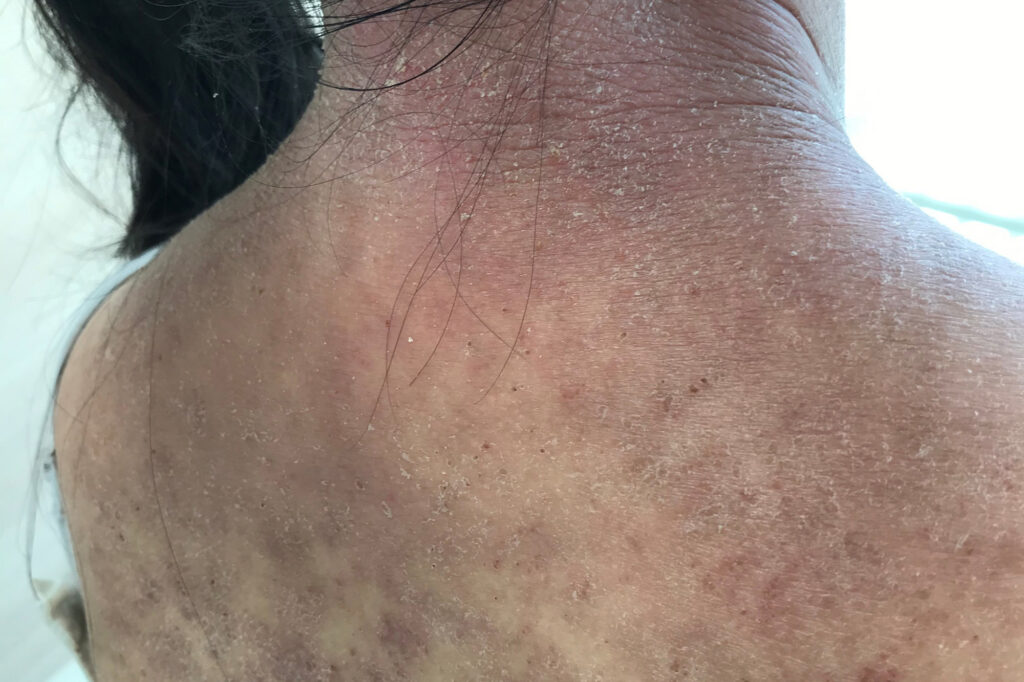
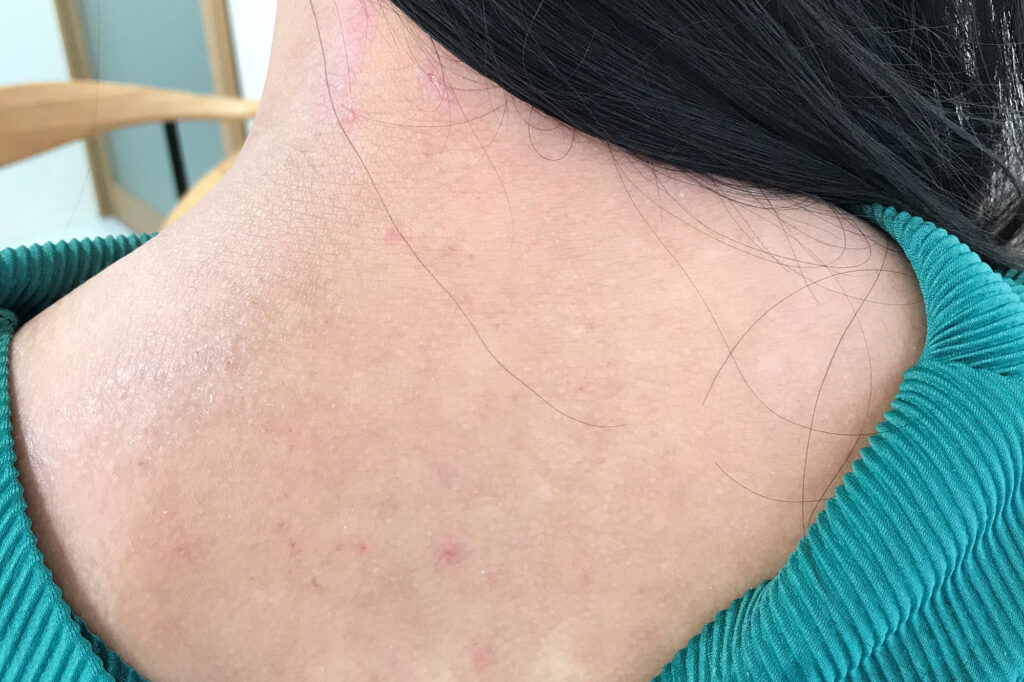
A patient suffering from severe atopic dermatitis. After the first treatment, skin turnover was accelerated, and there was temporary peeling. However, after the second session, the symptoms of atopic dermatitis began to improve.
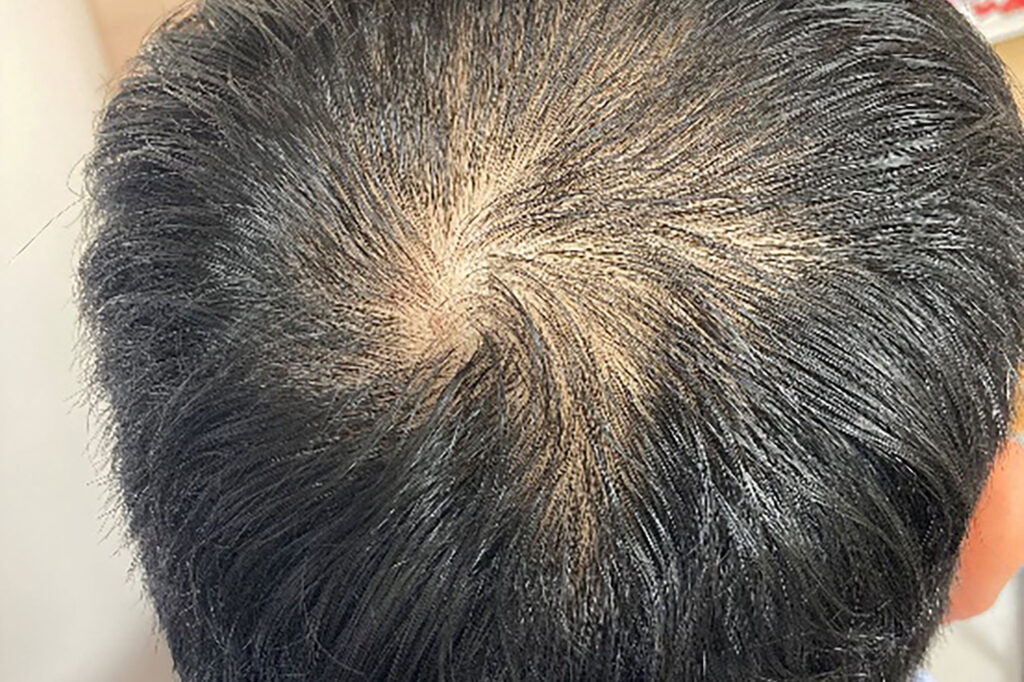
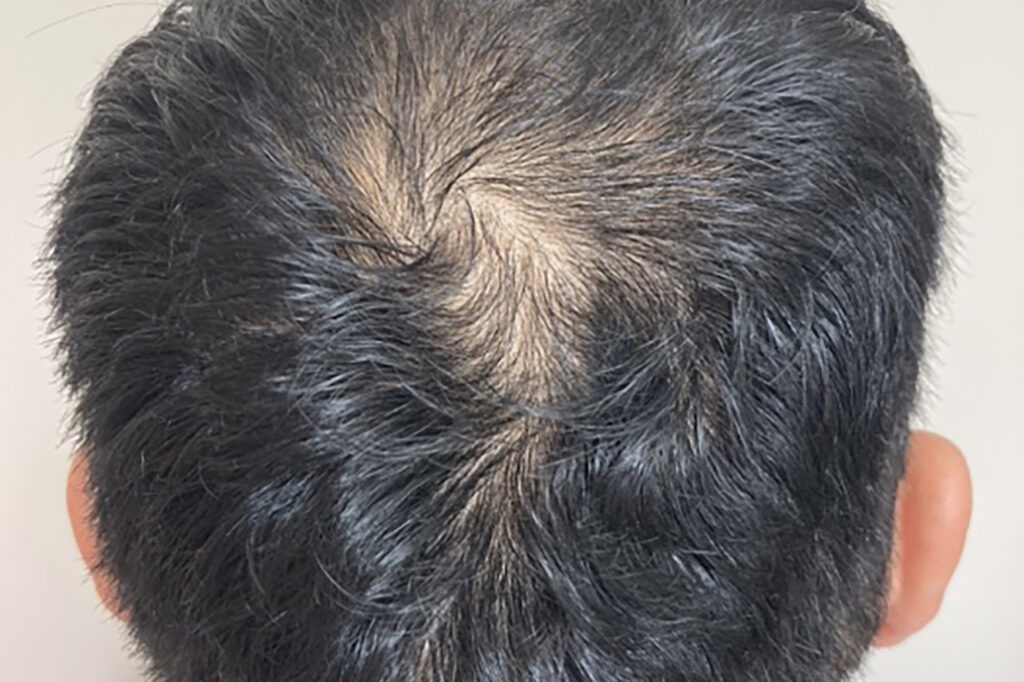
The patient was concerned about thinning hair on the crown. Initially, the supernatant was locally injected to maintain the current condition. After adding Minoxidil, the hair volume and density increased with three injections, and the hair is now noticeably less sparse.