An immune time capsule, protecting your future self
It is estimated that one in two people in Japan will experience cancer at some point in their lifetime. However, after the onset of cancer or following chemotherapy or radiation therapy, immune cell function may decline significantly.
For this reason, preserving your NK cells while they are at their healthiest and most active represents a forward-looking choice.
At 5Star Medical Club, NK cells are isolated and evaluated at our dedicated CPC (Cell Processing Center) and cryopreserved for long-term storage under liquid nitrogen at −196°C. When future needs arise, the cells can be expanded to tens of billions and utilized as a minimally invasive, autologous immune cell–based therapy.
This is not a “treatment,” but rather a new concept of preparedness — the management of your immune assets for the future.
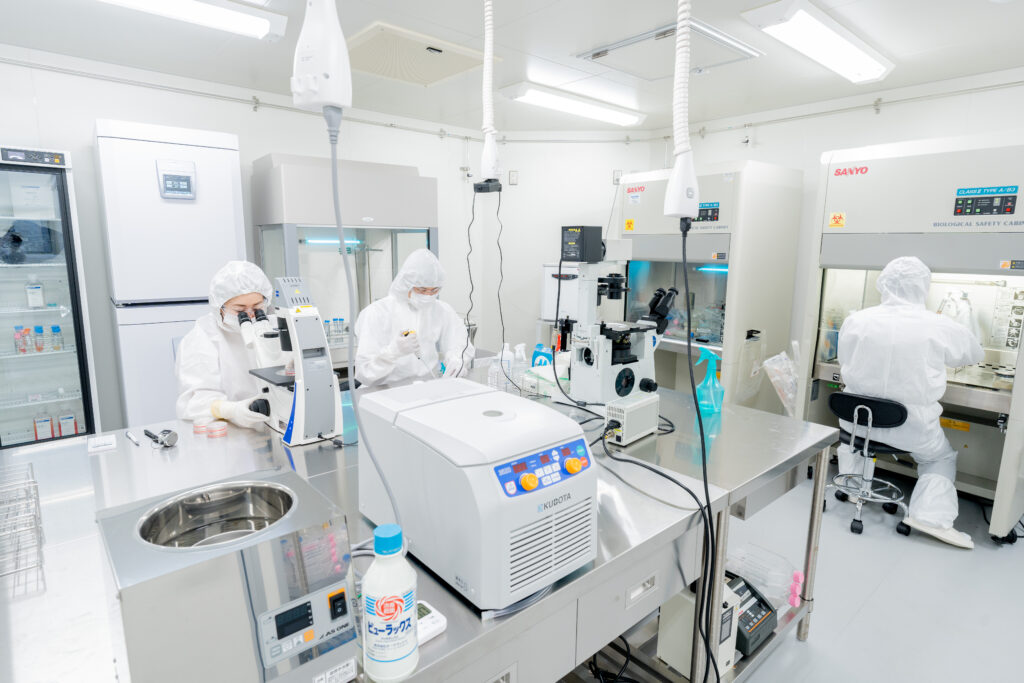
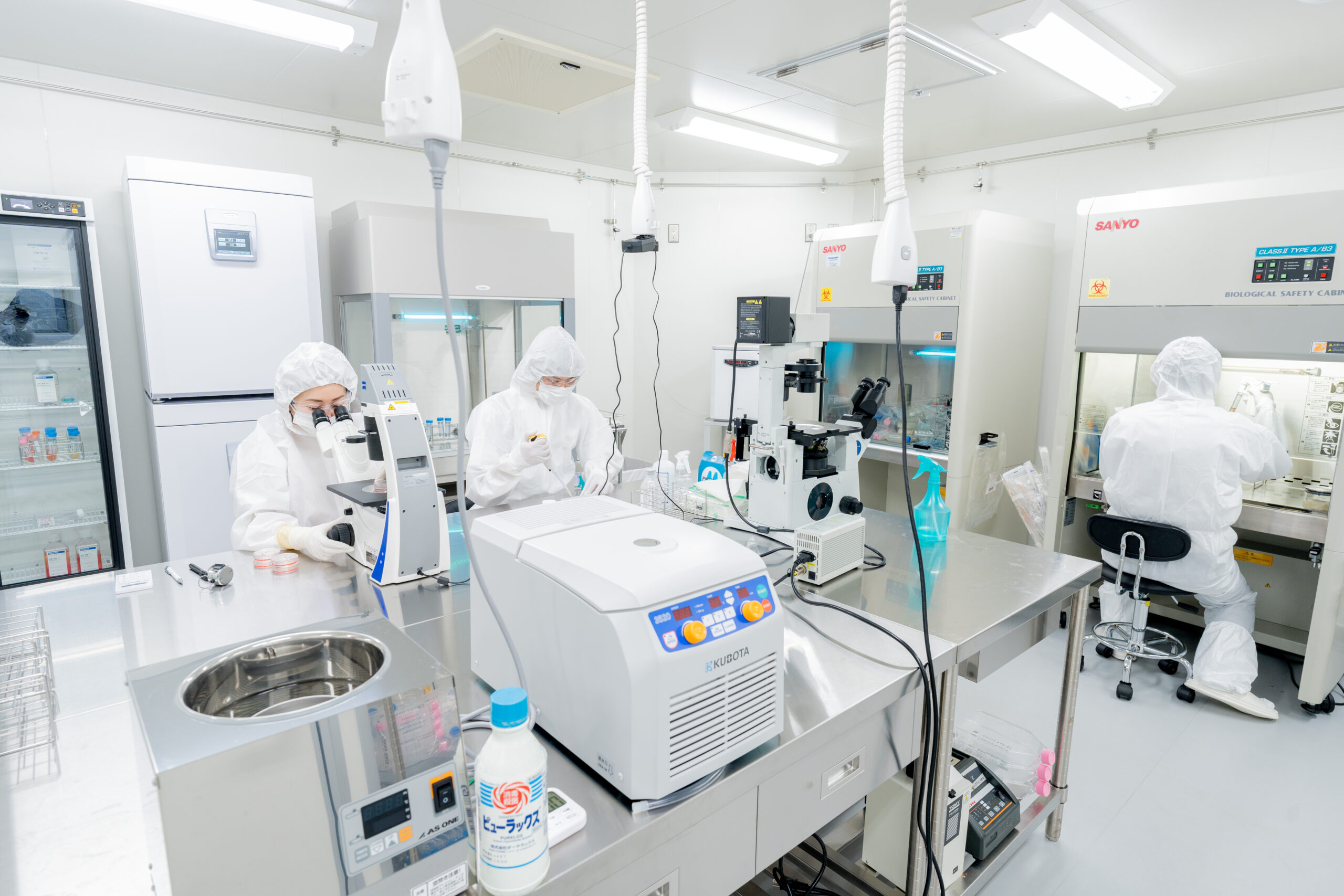
5Star Medical Club’s NK Cell Banking is conducted at a Cell Processing Center (CPC) registered with the Ministry of Health, Labour and Welfare. Our Class 100 (ISO 5 equivalent) cleanroom environment — comparable to semiconductor manufacturing standards — ensures strict control over every step, from collection and culture to cryopreservation and storage.
Physicians, cell culture specialists, and medical caseworkers work in close collaboration to provide a cell preservation system that prioritizes reliability and safety, tailored to the expectations of our VIP members.
Treatment Process
STEP 1. Medical consultation and pre-procedure blood collection
A physician conducts a medical examination and consultation to review your current health status and medical history. Pre-procedure tests required for cell preservation, including infectious disease screening and blood work, are performed prior to blood collection for NK cell harvesting. Approximately 300 mL of blood is collected.
STEP 2. NK cell isolation and quality assessment
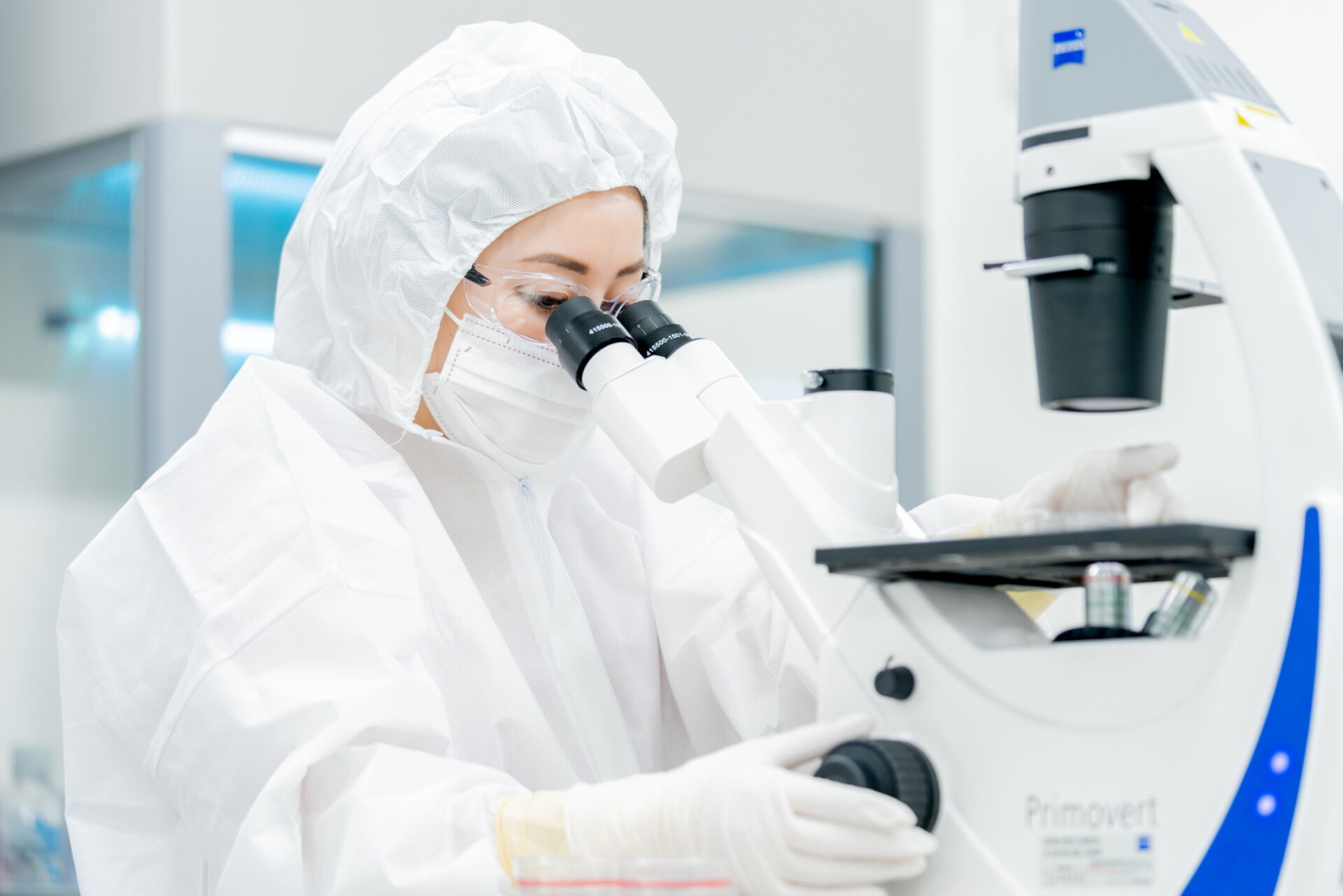
NK (Natural Killer) cells are isolated and extracted from the collected blood using specialized techniques. Cell count, activity, purity, and safety are carefully evaluated, and only high-quality cells suitable for preservation are selected.
STEP 3. Cryopreservation (Banking)
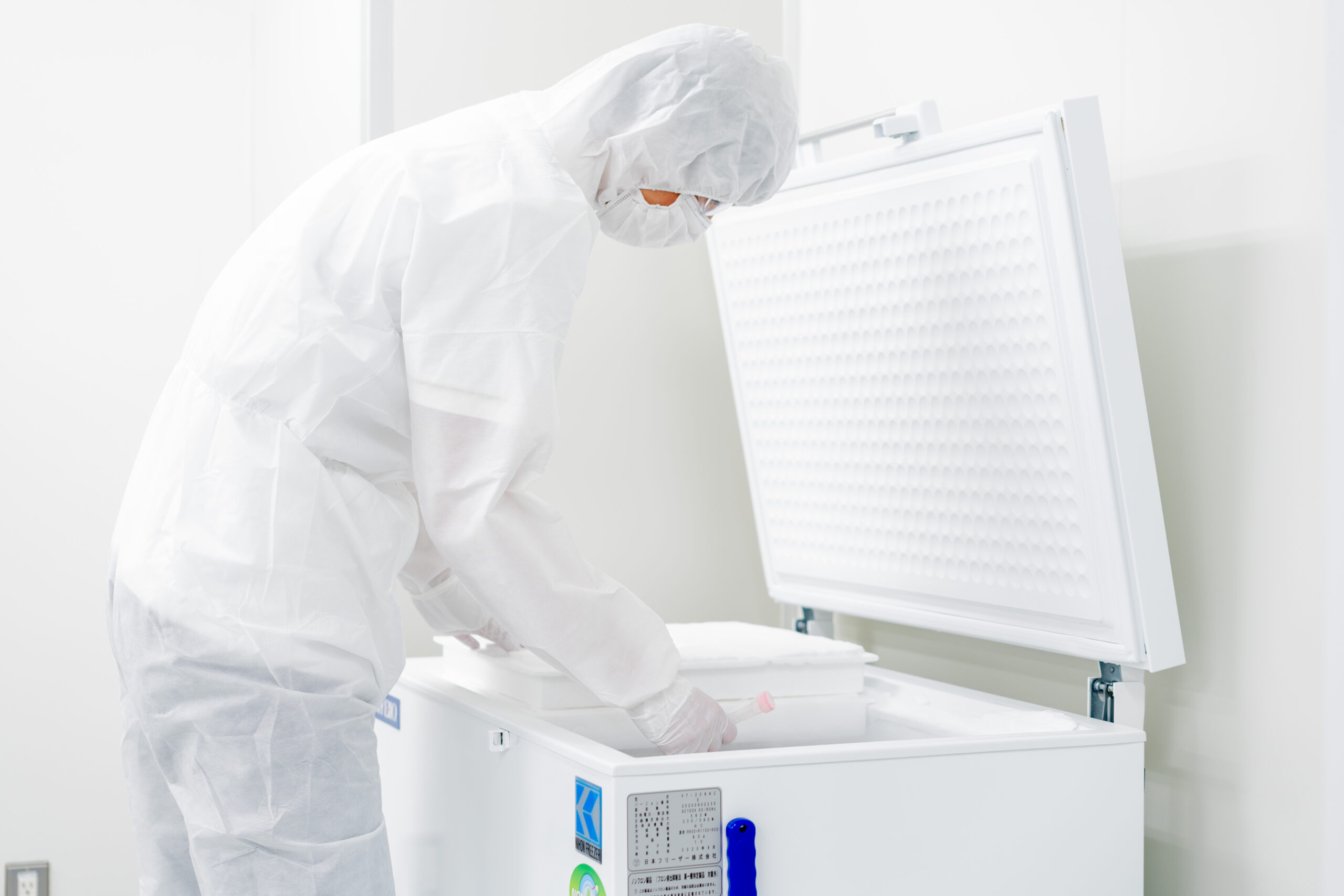
Qualified NK cells are cryopreserved for long-term storage in liquid nitrogen at −196°C. Cell integrity is maintained to prevent deterioration, ensuring availability for future therapeutic use. Quality control and security management are continuously maintained throughout the storage period.
STEP 4. Cell expansion (treatment preparation)
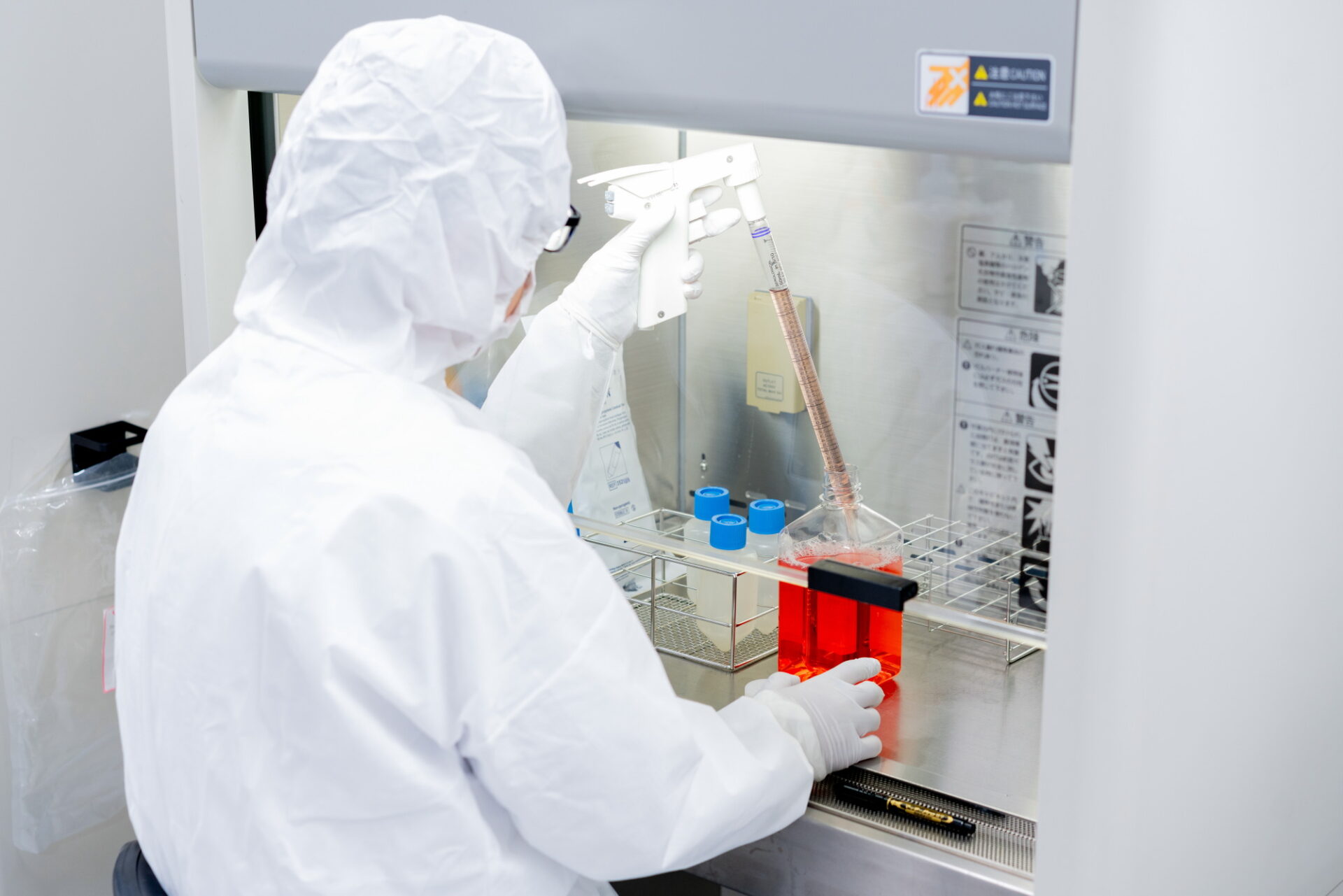
When treatment becomes necessary, the preserved cells are thawed and expanded under sterile conditions within our dedicated CPC (Cell Processing Center). Cells are cultured to reach the required therapeutic quantity, followed by final evaluations of activity and safety.
STEP 5. Administration (treatment)
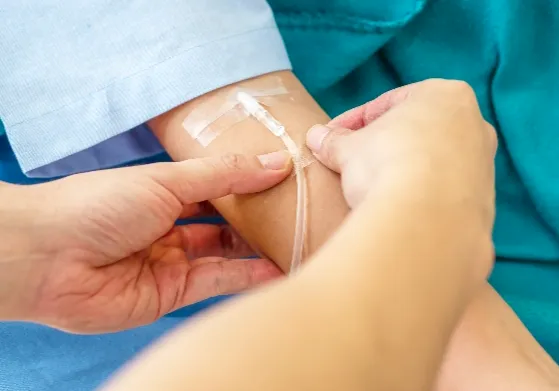
The cultured and activated NK cells are administered intravenously. After administration, physicians monitor the patient’s condition and provide follow-up observation and care as needed.
What are NK Cells?
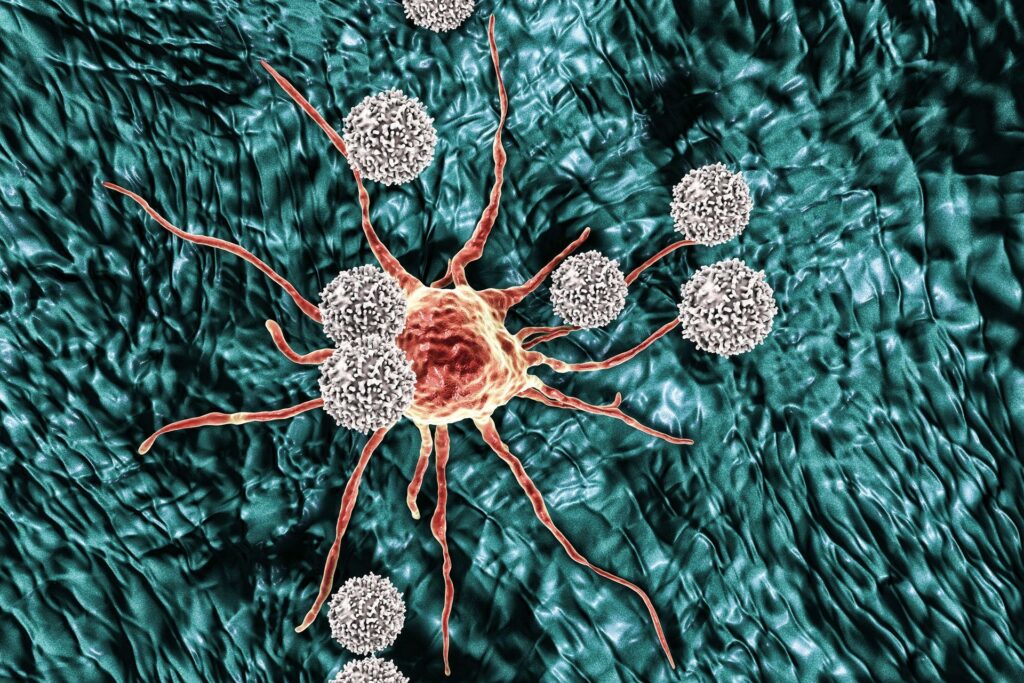
NK cells (Natural Killer cells) are a type of innate immunity that humans are born with. They constantly circulate through the body via the bloodstream, and upon discovering any foreign substances, they immediately launch an attack to eliminate them. It is said that even in a healthy person, 5,000 to 6,000 cells become cancerous every day, but NK cells process most of them. The number of NK cells peaks around the age of 20 and then begins to decline. Since the incidence of cancer increases rapidly from around age 40, it is presumed that this is closely related to the decline in NK cell activity.
01
Key Features
A proactive medical strategy designed to prepare for future immune decline
Collection of NK cells during a healthy state, preserved at optimal quality
Long-term cryopreservation for 10 years or longer at −196°C
Cell expansion and intravenous administration when needed, such as at the time of cancer diagnosis
Autologous cell–based approach, generally associated with a low risk of adverse reactions
Pricing Plans
For NK Cell Cryopreservation Banking, we offer two plans based on how you prefer to allocate future medical costs. Both plans include the same core medical services — collection and cryopreservation of NK cells during a healthy state, followed by cell expansion and administration when needed in the future. The only difference lies in how the initial and treatment-stage costs are structured. Please select the plan that best aligns with your life planning and approach to medical risk preparedness.
【Plan A – Balanced Plan】
A standard plan with evenly distributed initial and future costs.
By balancing expenses between preservation and treatment stages, this structure is designed to avoid excessive financial burden at any single point in time.
Recommended for those who:
Wish to preserve cells now as a precaution
Prefer to prepare steadily while considering future expenses
Initial cell processing (6 sessions) | ¥900,000 (tax excluded) Cell expansion & administration at time of cancer diagnosis | ¥900,000 (tax excluded) Cell storage (10 years) | ¥50,000 (tax excluded)
From the 11th year onward: ¥18,000 per year Consultation and testing fees not included A medical certificate confirming cancer diagnosis is required to initiate treatment
【Plan B – Priority-on-Demand Plan】
A plan with lower initial costs and greater allocation at the time treatment is required.
This structure reduces the upfront burden while reserving sufficient resources for cell processing and expansion if treatment becomes necessary.
Recommended for those who:
Prefer to secure cell preservation first
Plan to invest in treatment only when needed
Take a selective and rational approach to medical risk management
Initial cell processing (6 sessions) | ¥500,000 (tax excluded) Cell expansion & administration at time of cancer diagnosis | ¥1,500,000 (tax excluded) Cell storage (10 years) | ¥50,000 (tax excluded)
From the 11th year onward: ¥18,000 per year Consultation and testing fees not included A medical certificate confirming cancer diagnosis is required to initiate treatment
Services
Medical Consultation and Assessment
Specialist physicians conduct a comprehensive review of your current health status, medical history, treatment history, and lifestyle factors to determine eligibility for NK cell banking. Based on an evaluation of potential future medical risks, we develop an individualized preservation plan tailored to each member.
NK Cell Collection through Dedicated Blood Sampling
Blood is collected using methods optimized for NK cell harvesting. By securing immune cells while they are healthy and highly active, we aim to maintain optimal conditions for potential future therapeutic use.
Cell Isolation, Activity Assessment, and Quality Testing
NK cells are selectively isolated from the collected blood with high purity. Cell count, activity, viability, and safety are carefully evaluated, and only cells that meet strict quality standards are approved for preservation.
Cell Processing in a Sterile Environment
All cell processing is performed within a CPC (Cell Processing Center) registered with the Ministry of Health, Labour and Welfare. Under rigorous sterile control, the risk of external contamination is minimized to ensure safety and reliability.
Long-term Cryopreservation at −196°C in Liquid Nitrogen
Using ultra-low temperature cryopreservation technology with liquid nitrogen, cells are stored for extended periods while maintaining functional integrity. This approach helps reduce cellular aging and deterioration, enabling future use with preserved activity.
Ongoing Quality Monitoring and Security Management During Storage
Throughout the storage period, temperature, environmental conditions, and facility performance are continuously monitored. Strict security protocols are implemented to maintain stable cell quality and long-term protection.
Treatment Process at the Time of Cancer Diagnosis
Thawing and recovery of preserved cells
Cryopreserved cells are carefully thawed at the start of treatment and recovered in a manner that preserves cellular integrity and function.
Large-scale cell expansion in a dedicated CPC (billions of cells)
Under sterile conditions, NK cells are cultured and expanded to reach the billions required for therapeutic use, ensuring a sufficient number of functional cells for in-body activity.
Activity, cell count, and sterility testing
Following culture, cell activity, viability, purity, and sterility are comprehensively evaluated. Only cells that meet established safety criteria proceed to administration.
GMP-compliant processing
Final preparation is conducted in accordance with Good Manufacturing Practice (GMP) standards, equivalent to those used in pharmaceutical manufacturing, under strict quality control systems.
Intravenous administration
Cultured and activated NK cells are administered intravenously. As autologous cells are used, the risk of immune rejection is generally low, and the physical burden is typically limited.
Physician follow-up
After administration, physicians continuously monitor physical condition and immune status and provide additional care or observation as necessary.
Established cryopreservation protocols used in cellular medicine are adopted to help maintain high cellular activity even after long-term storage.
ISO 5–equivalent cleanroom environment
Class 100 (ISO 5 equivalent) cleanrooms ensure a level of cleanliness comparable to semiconductor manufacturing, minimizing microscopic contamination risks.
Sterile culture processes
All procedures are performed under aseptic techniques to reduce risks of infection or quality deterioration, supervised by experienced cell culture specialists.
Third-party quality verification
Independent evaluations are incorporated to objectively confirm the safety and reliability of preserved cells.
Verified long-term storage stability
Cell functionality and stability during extended storage have been validated to ensure readiness for future therapeutic use.
Important Information (Regulatory Disclosure)
This service may include the use of unapproved pharmaceuticals or medical devices in Japan, or off-label applications
Provided as private medical care (non-insured) under physician responsibility and clinical judgment
Conducted under appropriate management in accordance with the Act on the Safety of Regenerative Medicine, with submission of a regenerative medicine provision plan
Autologous cell processing therapy using the patient’s own cells (including isolation, culture, activation, and cryopreservation)
The program aims to preserve immune cells and secure future therapeutic options; preservation alone does not guarantee therapeutic effects
Preserved cells may not be usable depending on cancer type, disease stage, or general health condition
Treatment outcomes vary among individuals and are not guaranteed
Procedures are performed only after full explanation and informed consent
Potential Risks and Side Effects
Pain, swelling, or bruising at the blood collection site
Vascular discomfort during infusion
Temporary systemic symptoms such as fever, chills, fatigue, headache, or nausea
Allergic reactions, rash, or itching
Infection or inflammation
Changes in physical condition related to immune response
Rare cases of transient hypotension or dizziness
Expected effects may not be achieved
Long-term safety and efficacy are not yet fully established in all aspects
Supplementary Information
NK Cell Cryopreservation Banking is a proactive immune cell banking program in which NK (Natural Killer) cells collected from the patient’s own blood are isolated, evaluated, and cryopreserved at peak activity for long-term storage.
If diseases such as cancer are identified in the future, the preserved cells are cultured, expanded, and activated ex vivo before being returned to the body, aiming to support the body’s natural immune surveillance function.
While offered as one therapeutic option for cancer prevention, recurrence prevention, and maintenance of immune function, all medical procedures involve inherent risks and individual variability.