
Cancer as a Condition to Be Controlled and Coexisted With, Not Simply Eliminated
For decades, cancer treatment strategies were largely based on the principles of complete surgical removal or aggressive destruction of tumor tissue. Today, however, oncology stands at a clear turning point. Particularly for executives and individuals who place high value on quality of life (QOL) and continuity of social roles, treatments involving prolonged hospitalization or severe adverse effects represent not only medical risks but also profound disruptions to life planning itself. In response to this challenge, a highly sophisticated solution has emerged: Oncolytic Virus Therapy (OVT). In December 2025, Oncolys BioPharma Inc., a biotechnology venture originating from Okayama University, submitted an application to Japan’s Ministry of Health, Labour and Welfare for the manufacturing and marketing approval of the oncolytic virus agent Telomelysin (generic name: Teserpaturev) for the treatment of esophageal cancer. This development represents more than the introduction of a new drug; it marks a fundamental transformation in the philosophy of cancer treatment.
1. Japan’s Research Excellence: Transforming an Incomplete Concept into a Controllable Medical Technology
The origins of oncolytic virus therapy can be traced back to early 20th-century observations that tumors occasionally regressed following viral infections. Empirical research was also conducted in Eastern Europe and the former Soviet Union, yet limitations in viral control, safety assurance, and reproducibility prevented clinical translation into approved pharmaceuticals. Confronting this unresolved challenge directly, a research group led by Professor Toshiyoshi Fujiwara at Okayama University elevated the concept through advanced molecular biology and genetic engineering. Telomelysin is based on an adenovirus platform and incorporates a highly sophisticated design principle known as telomerase activity–dependent replication control. Telomerase is highly expressed in nearly all cancer cells, while its activity is suppressed in normal somatic cells. By exploiting this biological distinction, the virus is engineered to replicate selectively within cancer cells, minimizing effects on normal tissues while destroying tumor cells from within. This transition—from chance-dependent “viral treatment” to a deliberately designed intelligent biopharmaceutical—highlights the decisive role played by Japanese academic research.
2. Clear Clinical Significance Demonstrated in Elderly and Non-Surgical Patients
The approval application is primarily supported by clinical trials targeting elderly patients with esophageal cancer who were unsuitable for surgery or intensive chemoradiotherapy. Conventional esophageal cancer treatments have long posed challenges, including functional impairment from highly invasive surgery, systemic toxicity from chemoradiotherapy, and difficulties in treatment continuation among elderly patients or those with comorbidities. In contrast, Telomelysin therapy involves direct intratumoral administration via endoscopy, enabling maximal local efficacy while minimizing systemic burden. Clinical trial results demonstrated a high complete response rate of approximately 50% when combined with radiotherapy, with severe systemic adverse effects being exceedingly limited. The true significance of these findings lies not merely in therapeutic efficacy, but in providing medical evidence for the value of maintaining daily life while undergoing cancer treatment.
3. Dual Mechanisms: Tumor Destruction and Immune Re-Education
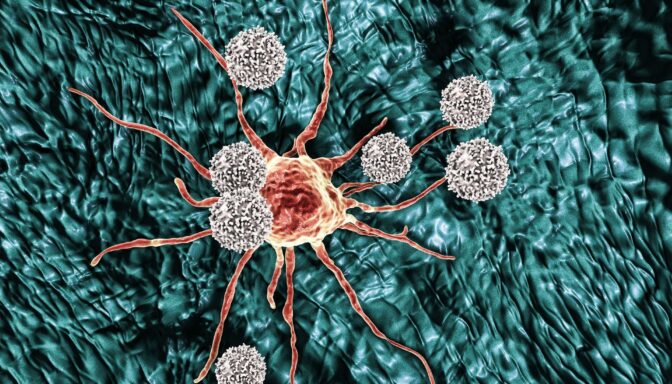
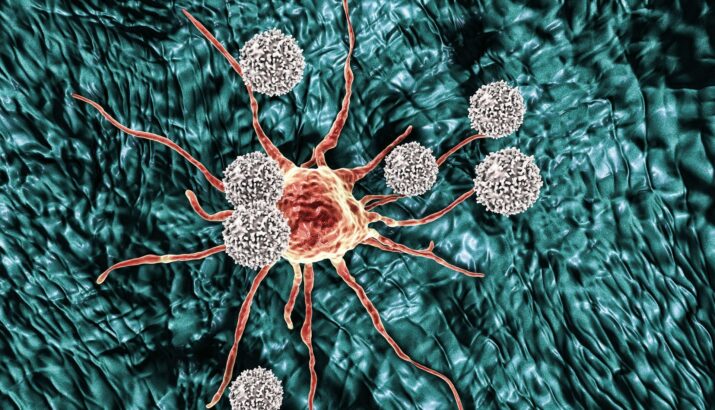
The essence of oncolytic virus therapy lies in the simultaneous induction of direct tumor lysis (oncolysis) and immune activation through immunogenic cell death. As cancer cells are destroyed by viral replication, tumor antigens previously concealed from the immune system are released in large quantities. This process activates dendritic cells and T cells, effectively re-educating the patient’s immune system to recognize cancer. This phenomenon can be described as an in vivo, patient-derived cancer vaccination. Consequently, immune-mediated control may extend beyond the injection site to include micrometastases and residual disease undetectable by imaging. Furthermore, strong theoretical and clinical synergy has been suggested with immune checkpoint inhibitors, signaling an evolution of treatment strategies from monotherapy toward precisely designed combination therapies.
4. A New Dimension of Cancer Treatment Beginning in 2026 and Beyond
(1) From Personalized Treatment to Immune Memory–Driven Medicine
Future advances will enable virus design optimized for individual patients based on tumor genomics and immune microenvironment analysis, transforming treatment from a transient intervention into a long-term strategy aimed at reducing recurrence risk.
(2) Function-Preserving Cancer Control with QOL as a Foundation
Outpatient-centered treatment models that do not presuppose hospitalization or prolonged absence from work will become standard, allowing patients to maintain physical function and social performance while controlling cancer.
(3) Japan Reasserting Medical Leadership
The approval of Telomelysin represents a symbolic case in which Japanese basic research directly influences global clinical practice. Beyond esophageal cancer, applications to pancreatic cancer, lung cancer, and malignant brain tumors are steadily progressing.
Conclusion — The Future Envisioned by 5Star Medical Club
Cancer is no longer merely an enemy to be eradicated. It is increasingly understood as a condition to be intelligently controlled while preserving physiological homeostasis. Japanese-origin oncolytic virus therapy stands as a refined medical technology symbolizing this paradigm shift. 5Star Medical Club is committed to accurately interpreting such cutting-edge medical advances and bridging them to individuals who value quality of life and time as essential assets. We believe that treatment should not halt one’s life, but rather serve as an intelligent choice that enables life to move forward.